Culinary Advisor
A cooking platform built around craft, culture, and the stories behind what we eat.
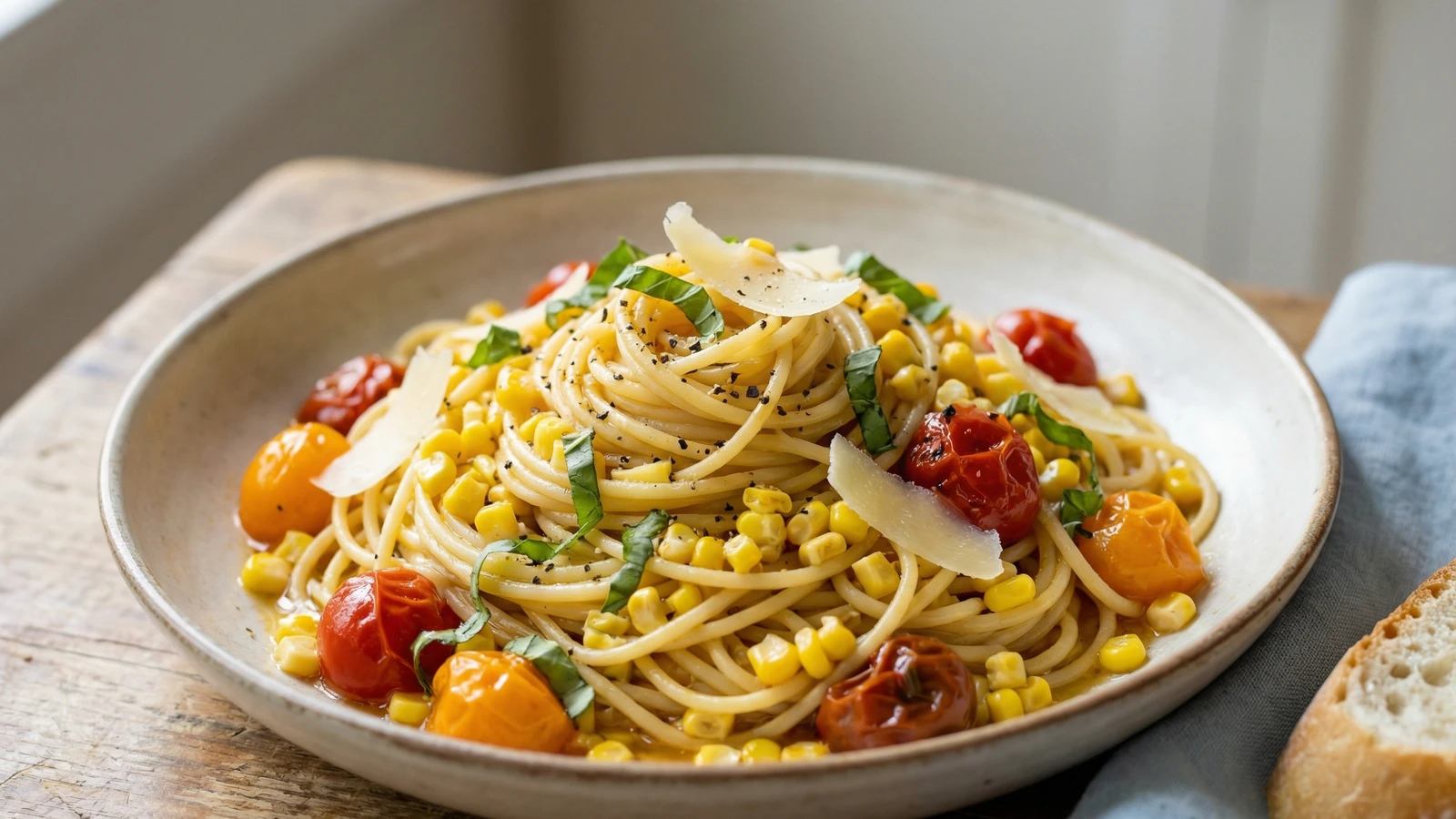
Summer Corn and Tomato Pasta with Basil
Created by
Peak-season corn and sun-warmed tomatoes create their own sauce, clinging to pasta with nothing more than good olive oil, garlic, and the starchy water that binds it all together.
This is the dish that summer demands you make. When corn is so sweet you could eat it raw and tomatoes smell like the vine they grew on, your job is simple: get out of the way. Let the ingredients do the work.
I've watched home cooks overthink summer pasta for decades. They add cream. They reach for jarred sauces. They bury good produce under cheese until you can't taste the season anymore. Stop it. The corn and tomatoes will give you everything you need if you treat them right. The kernels release their milk when they hit the hot pan. The tomatoes burst and surrender their juice. Together they create a sauce that costs nothing and tastes like August.
This technique came to me from Italian grandmothers who understood scarcity, but it belongs just as much to American farm stands and Midwest potlucks. We grow the best corn on earth in this country. Our summer tomatoes, when you find the right ones, rival anything from the Mediterranean. The only crime is not using them at their peak.
You'll notice there's no butter here, no heavy cream, no elaborate preparation. Just good olive oil, fresh garlic, and the natural sugars of produce picked yesterday. The pasta water does the rest, creating an emulsion that coats every strand. This is weeknight cooking at its finest: twenty-five minutes from cutting board to table.
The technique, the tradition, and the story behind every dish.
Discover Culinary AdvisorIngredients
spaghetti or linguine
Quantity
1 pound
fresh corn
Quantity
4 ears
shucked
cherry tomatoes
Quantity
1 pint
halved
garlic
Quantity
4 cloves
thinly sliced
extra-virgin olive oil
Quantity
1/3 cup, plus more for finishing
red pepper flakes
Quantity
1/2 teaspoon
fresh basil leaves
Quantity
1 cup
torn
Parmigiano-Reggiano
Quantity
1/2 cup
freshly grated, plus shavings for serving
kosher salt
Quantity
to taste
black pepper
Quantity
to taste
freshly cracked
| Ingredient | Quantity |
|---|---|
| spaghetti or linguine | 1 pound |
| fresh cornshucked | 4 ears |
| cherry tomatoeshalved | 1 pint |
| garlicthinly sliced | 4 cloves |
| extra-virgin olive oil | 1/3 cup, plus more for finishing |
| red pepper flakes | 1/2 teaspoon |
| fresh basil leavestorn | 1 cup |
| Parmigiano-Reggianofreshly grated, plus shavings for serving | 1/2 cup |
| kosher salt | to taste |
| black pepperfreshly cracked | to taste |
Equipment Needed
- •12-inch skillet (stainless steel or well-seasoned cast iron)
- •Large pot for pasta (6-quart minimum)
- •Sharp chef's knife
- •Wide shallow bowl for cutting corn
- •Tongs for tossing pasta
Instructions
- 1
Cut the corn
Stand each ear of corn upright in a wide, shallow bowl. Using a sharp chef's knife, slice downward along the cob, letting the kernels fall into the bowl. After cutting, run the back of your knife down the bare cob to extract the milky liquid hiding in the fibers. This corn milk is pure flavor. Don't leave it behind.
The shallow bowl catches flying kernels. A sheet pan works too. Cutting corn on a flat board sends half your yield across the counter. - 2
Start the pasta water
Bring a large pot of water to a rolling boil. Salt it generously until it tastes like mild seawater. This is your only chance to season the pasta from within. Timid salting produces timid pasta.
- 3
Build the aromatic base
Set a 12-inch skillet over medium heat. Add the olive oil and let it warm for thirty seconds, then scatter in the sliced garlic. Cook slowly, stirring occasionally, until the garlic turns pale gold and smells sweet rather than sharp. This takes two to three minutes. Watch it carefully. Burnt garlic is bitter garlic, and there's no coming back from that.
- 4
Cook the corn
Add the corn kernels and their milky liquid to the skillet. Increase heat to medium-high. Let the corn cook undisturbed for two minutes so some kernels pick up light golden color on one side. Stir once, then cook another minute. You'll hear the kernels sizzle and pop as their sugars begin to caramelize. Season with half a teaspoon of salt and the red pepper flakes.
Resist the urge to stir constantly. Corn develops better flavor when it gets some color from contact with the hot pan. - 5
Drop the pasta
Add the spaghetti to the boiling water. Stir once to separate the strands. Set a timer for one minute less than the package directs. You'll finish the pasta in the sauce, and it will continue cooking there.
- 6
Burst the tomatoes
Add the halved cherry tomatoes to the skillet with the corn. Press them gently, cut-side down, into the pan. Let them cook undisturbed for two minutes until they begin to collapse and release their juice. The liquid will pool in the pan and mingle with the corn milk, creating a light, fresh sauce. Season with another pinch of salt.
- 7
Reserve pasta water
Before draining, ladle out one full cup of the starchy pasta water. This cloudy liquid is essential. It contains starches that help the oil and vegetable juices come together into a cohesive sauce. Don't skip this step or you'll end up with greasy pasta sitting in a puddle.
- 8
Marry the pasta and sauce
Drain the pasta and add it directly to the skillet with the corn and tomatoes. Toss vigorously with tongs, lifting and turning to coat every strand. Add half the reserved pasta water and continue tossing. The liquid will look too thin at first, then tighten into a glossy coating as the starches bind with the oil. Add more pasta water in splashes if it seems dry.
Work quickly here. The residual heat from the pasta finishes the cooking and creates the emulsion. Hesitation leads to clumping. - 9
Finish with basil and cheese
Remove the skillet from heat. Add the torn basil and grated Parmigiano-Reggiano. Toss again to distribute. The basil will wilt slightly from the heat, releasing its perfume into the pasta. Taste and adjust salt and pepper. The dish should taste bright and sweet with gentle heat from the pepper flakes.
- 10
Serve immediately
Divide among warmed shallow bowls. Top each portion with parmesan shavings, a few more torn basil leaves, a crack of black pepper, and a final drizzle of your best olive oil. Serve at once. This pasta waits for no one.
Chef Tips
- •Seek out corn at farmers markets where it was picked that morning. Sugars convert to starch within hours of harvest. Supermarket corn, shipped from distant fields, has already lost half its sweetness before you bring it home.
- •Cherry tomatoes are more reliable than slicing tomatoes for this dish. They're bred for consistent sweetness and burst beautifully in the pan. Mix colors if you can find them. Sungolds add honey notes, while darker varieties bring deeper, more complex flavor.
- •Use a vegetable peeler to shave the parmesan into thin ribbons for finishing. The larger pieces catch more sauce and provide pleasant texture against the soft pasta.
- •A crisp white wine belongs with this pasta. Vermentino, Gavi, or a good California Sauvignon Blanc will echo the brightness without competing. Serve it cold.
- •This recipe doubles easily for a crowd. Use your largest skillet or work in two pans. The technique stays the same.
Advance Preparation
- •Corn can be cut from the cob up to 4 hours ahead and refrigerated. Bring to room temperature before cooking.
- •Tomatoes can be halved several hours in advance. Store at room temperature; refrigeration dulls their flavor.
- •Garlic can be sliced and held in olive oil for up to 2 hours.
- •Do not cook the pasta in advance. This dish requires everything to come together hot, fresh, and fast.
Frequently Asked Questions
Nutrition Information
1 serving (about 340g)
Where cooking meets culture.
Culinary mentorship, cultural storytelling, and the editorial depth that makes cooking meaningful.
Explore Culinary Advisor