Culinary Advisor
A cooking platform built around craft, culture, and the stories behind what we eat.
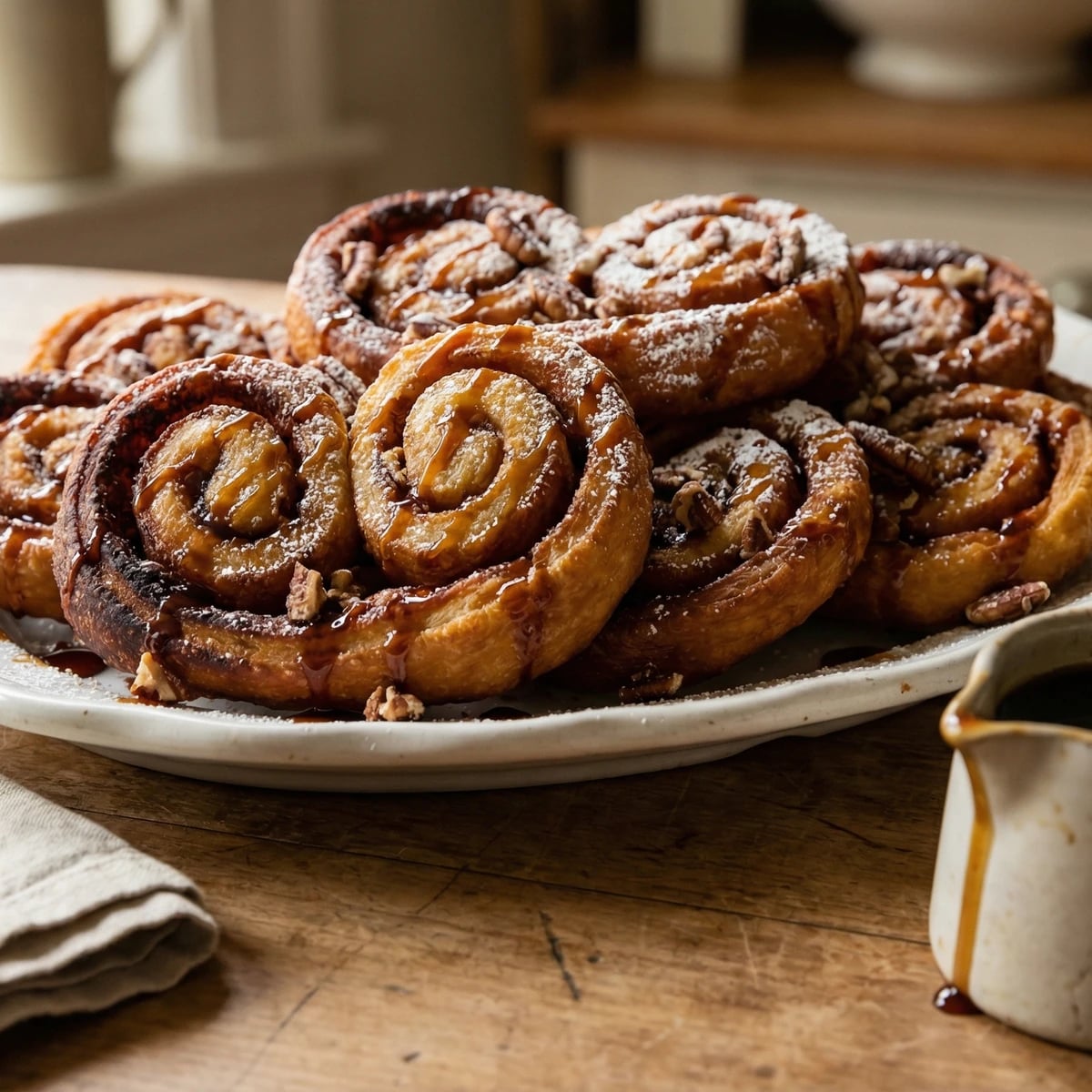
Oreilles de Cochon (Pig's Ears Pastries)
Created by Chef Remy
Delicate fried dough strips that curl into whimsical shapes as they sizzle, then get drenched in dark Louisiana cane syrup and scattered with toasted pecans, the kind of Mardi Gras sweet that makes children steal seconds when nobody's looking.
Some desserts tell you exactly where they come from. Oreilles de cochon belong to the Cajun country as surely as live oaks and Spanish moss. The name means pig's ears, and one look at these curled, golden pastries shows you why. They twist and ruffle in the hot oil, forming shapes that look like nothing so much as a hog's ear after a good scratch.
This is celebration food, pure and simple. During Mardi Gras, during boucheries, during any gathering worth remembering, someone's grandmother would set up near the stove with her rolling pin and a pot of shimmering oil. The technique came over with the Acadians and stayed because it works. Simple dough, rolled impossibly thin, fried fast, and baptized in cane syrup while still warm enough to absorb that dark sweetness.
At Lagniappe, we serve these during Carnival season and watch grown men fight over the last one on the plate. The secret is twofold: roll the dough thinner than you think possible, and use real Louisiana cane syrup. That syrup has a mineral depth and a molasses note that no imitation can match. It clings to the pastry and soaks into every crevice.
My grandmother Evangeline made these without measuring a thing. She knew the dough was right by how it felt under her hands. I've given you measurements because that's what a recipe requires, but taste as you go. Trust your instincts. When the last bite is as good as the first, you've done it right.
Ingredients
all-purpose flour
Quantity
3 cups (375g)
plus more for rolling
granulated sugar
Quantity
3 tablespoons
baking powder
Quantity
1 teaspoon
| Ingredient | Quantity |
|---|---|
| all-purpose flourplus more for rolling | 3 cups (375g) |
| granulated sugar | 3 tablespoons |
| baking powder | 1 teaspoon |