Culinary Advisor
A cooking platform built around craft, culture, and the stories behind what we eat.
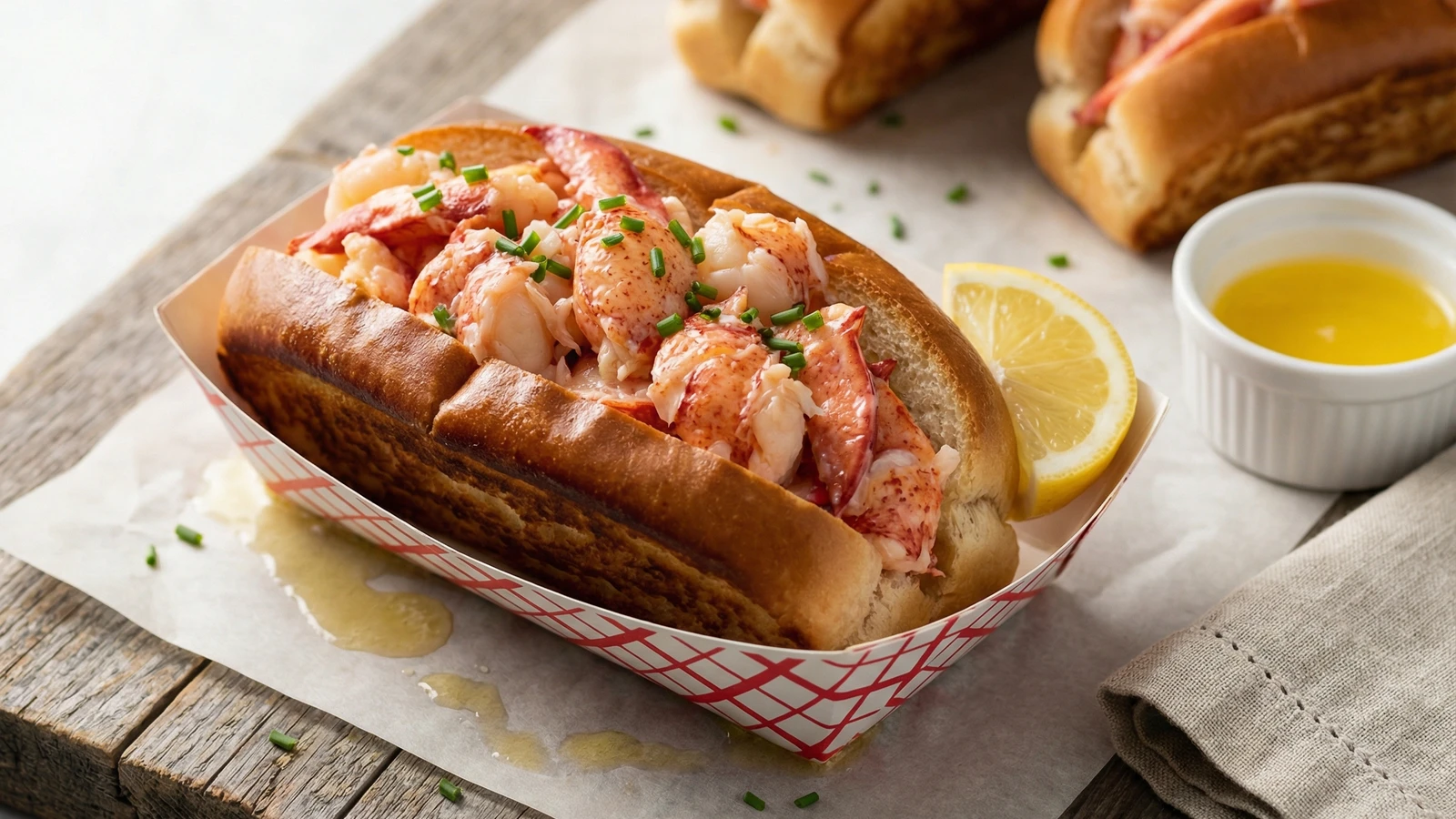
New England Lobster Rolls with Warm Butter
Created by
Tender chunks of sweet lobster bathed in warm clarified butter, nestled into golden-griddled split-top buns. This is the Connecticut style: pure, unapologetic, and respectful of the sea's finest offering.
Two states claim the lobster roll. Maine dresses hers in mayonnaise and serves it cold. Connecticut warms the meat in butter and lets the lobster speak for itself. I've eaten both versions hundreds of times along the New England coast, from weather-beaten shacks in Noank to white-tablecloth restaurants in Portland. The Connecticut style wins my heart every time.
There's a reason this version persists. When you warm good lobster in clarified butter, something remarkable happens. The sweetness intensifies. The texture becomes almost silky. The butter carries flavor into every crevice of that tender meat without masking anything. You taste the ocean, the summer, the reason people have been hauling traps off these rocky shores for generations.
The split-top bun matters more than most cooks realize. These New England-style rolls have flat sides that griddle into golden, buttery slabs of crunch. They cradle the filling without competing. A regular hot dog bun won't do. If you can't find split-tops, slice the tops off good-quality potato rolls and toast the cut sides in butter. Improvise, but don't skip this step.
I've watched tourists in Connecticut pay twenty-five dollars for a lobster roll containing three ounces of meat stretched with celery and onion. This recipe gives you the honest version: a full quarter-pound of lobster per roll, nothing but butter and a whisper of lemon to dress it. Make this once and you'll never accept less again.
The technique, the tradition, and the story behind every dish.
Discover Culinary AdvisorIngredients
live lobsters
Quantity
2 (1-1/4 to 1-1/2 pounds each)
unsalted butter
Quantity
12 tablespoons (1-1/2 sticks)
divided
fresh lemon juice
Quantity
1 tablespoon
fine sea salt
Quantity
1/4 teaspoon
cayenne pepper
Quantity
pinch
split-top New England-style hot dog buns
Quantity
4
fresh chives (optional)
Quantity
2 tablespoons
minced
lemon wedges (optional)
Quantity
for serving
| Ingredient | Quantity |
|---|---|
| live lobsters | 2 (1-1/4 to 1-1/2 pounds each) |
| unsalted butterdivided | 12 tablespoons (1-1/2 sticks) |
| fresh lemon juice | 1 tablespoon |
| fine sea salt | 1/4 teaspoon |
| cayenne pepper | pinch |
| split-top New England-style hot dog buns | 4 |
| fresh chives (optional)minced | 2 tablespoons |
| lemon wedges (optional) | for serving |
Equipment Needed
- •Large stockpot (at least 8 quarts)
- •Lobster crackers or heavy knife
- •Kitchen shears
- •Small saucepan for clarifying butter
- •Cast iron skillet or griddle for toasting buns
Instructions
- 1
Cook the lobsters
Fill your largest pot with water and salt it aggressively. You want it to taste like the sea. Bring to a rolling boil over high heat. Grasp each lobster firmly behind the claws and plunge headfirst into the water. Cover and cook for 8 minutes for 1-1/4 pound lobsters, 10 minutes for 1-1/2 pounders. The shells will turn brilliant red. Remove with tongs and transfer to a rimmed baking sheet to cool until you can handle them, about 10 minutes.
If using pre-cooked lobster meat, skip to step 3. But cooking your own delivers superior sweetness and texture. - 2
Extract the meat
Twist off the claws and knuckles where they meet the body. Crack the claws with the back of a heavy knife or lobster crackers, then pull the meat out in whole pieces. Use kitchen shears to cut along the knuckle shells and push the meat through. For the tails, bend backward until you hear a crack, then pull the meat free in one piece. Remove the dark vein running along the tail. Cut the meat into generous one-inch chunks. You should have about one pound total.
Save the shells and bodies in the freezer. They make extraordinary stock for bisque or risotto. - 3
Clarify the butter
Melt 10 tablespoons of butter in a small saucepan over medium-low heat. Let it bubble gently for 3 to 4 minutes. The milk solids will sink to the bottom and the foam will rise to the top. Skim the foam with a spoon, then carefully pour the clear golden butter into a clean bowl, leaving the milky sediment behind. This is your drawn butter. It won't burn or turn bitter when you warm the lobster.
Don't rush clarifying. Low, gentle heat separates the components cleanly. High heat browns the solids before they settle. - 4
Griddle the buns
Melt the remaining 2 tablespoons of butter in a large skillet or griddle over medium heat. Open the buns slightly and press them flat-side down into the butter. Toast until golden brown and lightly crispy, 2 to 3 minutes per side. The butter should sizzle gently, not sputter. Work in batches if needed. Transfer to plates and keep warm.
- 5
Warm the lobster
Return the clarified butter to the saucepan over low heat. Add the lemon juice, salt, and cayenne. Gently fold in the lobster meat, turning the pieces to coat completely. Warm just until heated through, 2 to 3 minutes. The lobster should feel warm to the touch, not hot. Overcooking turns it rubbery. You want tender, succulent, barely warmed meat glistening with golden butter.
- 6
Assemble and serve
Divide the warm buttered lobster among the toasted buns, mounding it generously. Drizzle any remaining butter from the pan over the top. Scatter fresh chives across if using. Serve immediately with lemon wedges alongside. These wait for no one. Eat while the butter still glistens and the buns still crunch.
Chef Tips
- •Buy your lobsters from a reputable fishmonger who keeps them in proper salt-water tanks. A sluggish lobster has been in the tank too long. You want active, feisty creatures that flap their tails when lifted.
- •Hard-shell lobsters yield more meat and have firmer texture than soft-shells. Look for them from late fall through spring. Summer soft-shells are sweeter but you'll need more to get the same yield.
- •If split-top buns are unavailable in your region, buy quality brioche hot dog buns, slice off the tops, and toast the cut surfaces. The result won't be identical, but it will be delicious.
- •Serve with cold, crisp Muscadet or a dry Riesling from the Finger Lakes. The minerality complements the lobster's sweetness without competing.
- •This is not a dish that benefits from additions. I've seen restaurants add celery, tarragon, even bacon. Resist the urge. When lobster is this good, anything you add subtracts.
Advance Preparation
- •Lobsters can be cooked and meat extracted up to 24 hours ahead. Store the meat covered in the refrigerator, then bring to room temperature for 15 minutes before warming in butter.
- •Butter can be clarified several days ahead and refrigerated. Rewarm gently before adding lobster.
- •Do not toast the buns until just before serving. They lose their crunch within minutes.
Frequently Asked Questions
Nutrition Information
1 serving (about 235g)
Where cooking meets culture.
Culinary mentorship, cultural storytelling, and the editorial depth that makes cooking meaningful.
Explore Culinary Advisor