Culinary Advisor
A cooking platform built around craft, culture, and the stories behind what we eat.
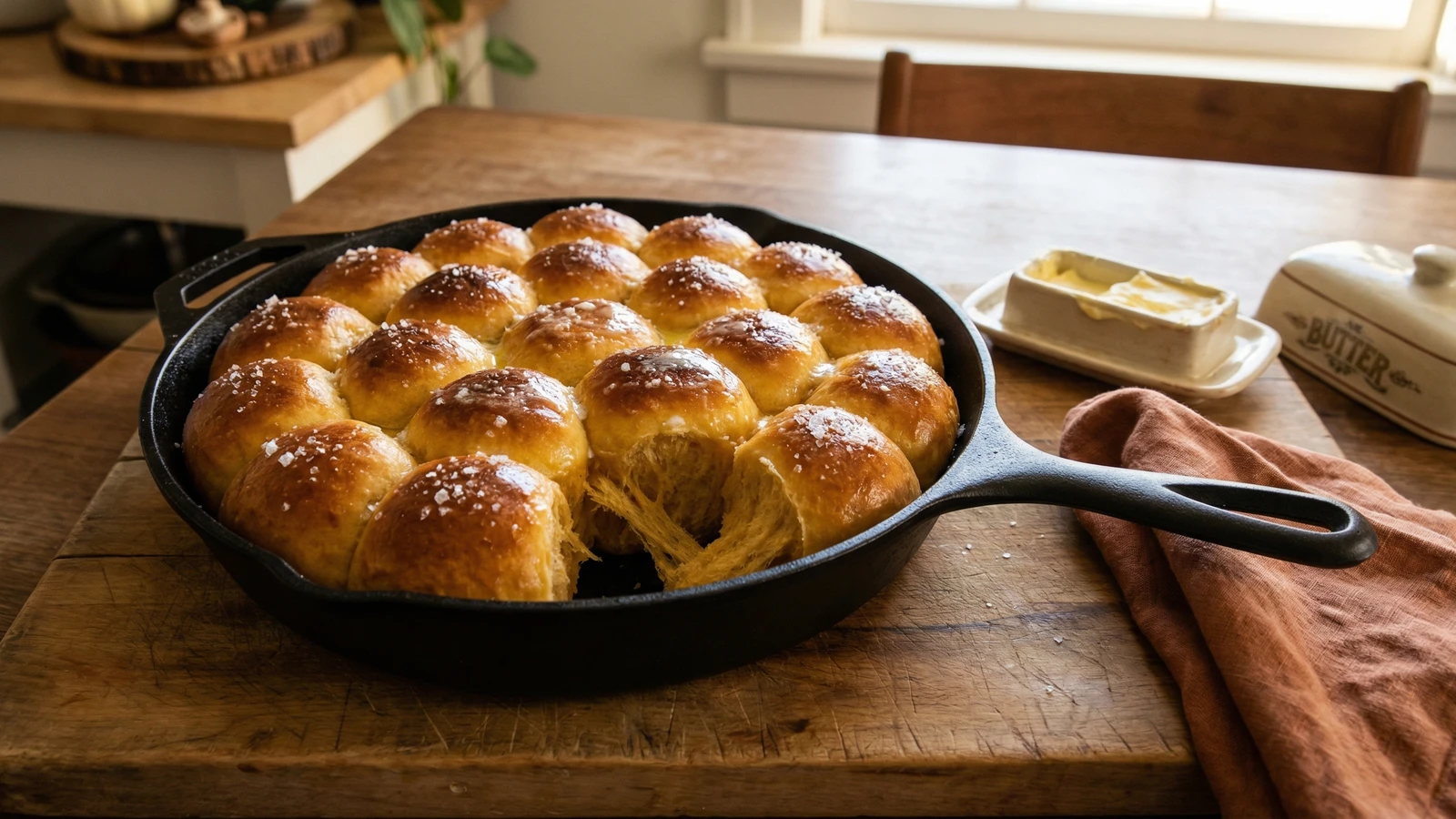
Louisiana Sweet Potato Rolls
Created by Chef Remy
Pillowy, golden dinner rolls enriched with roasted Louisiana sweet potatoes and brushed with butter, the kind that disappear before the turkey gets carved and have guests asking for your grandmother's recipe.
Sweet potatoes have been part of Louisiana cooking since before anyone thought to write recipes down. The Acadians brought their bread-making traditions from Nova Scotia, and somewhere along the way, somebody had the good sense to fold roasted sweet potato into the dough. That cook was a genius. The natural sugars help the yeast work, the moisture keeps the crumb tender for days, and the color turns every roll into something that looks like it was kissed by a bayou sunset.
My grandmother Evangeline made these every Thanksgiving and Christmas without fail. She roasted her sweet potatoes until they were nearly caramelized, the edges going dark and sticky. That concentrated sweetness is the secret. Boiled sweet potatoes give you moisture but none of that depth. You want the sugars to caramelize, to develop complexity. Then you fold that into an enriched dough with good butter, a touch of cane syrup, and just enough spice to make people wonder what your secret is.
I have served these rolls at Lagniappe for twenty-five years. They go with everything: roast turkey, glazed ham, fried catfish, red beans and rice. But they are also perfect on their own, pulled apart at the table, steam rising from the tender interior, a pat of butter melting into each piece. When the last roll is gone before the main course arrives, you know you have done something right.
The technique, the tradition, and the story behind every dish.
Discover Culinary AdvisorIngredients
Louisiana sweet potato
Quantity
1 large (about 12 ounces)
whole milk
Quantity
1 cup
warmed to 110°F
active dry yeast
Quantity
2 1/4 teaspoons (1 packet)
unsalted butter
Quantity
1/2 cup (1 stick/113g)
softened
unsalted butter for brushing
Quantity
4 tablespoons
melted
pure cane syrup or honey
Quantity
1/3 cup
large eggs
Quantity
2
at room temperature
fine sea salt
Quantity
1 1/2 teaspoons
nutmeg
Quantity
1/2 teaspoon
freshly grated
ground cinnamon
Quantity
1/4 teaspoon
all-purpose flour
Quantity
5 to 5 1/2 cups (625-690g)
flaky sea salt (optional)
Quantity
for finishing
| Ingredient | Quantity |
|---|---|
| Louisiana sweet potato | 1 large (about 12 ounces) |
| whole milkwarmed to 110°F | 1 cup |
| active dry yeast | 2 1/4 teaspoons (1 packet) |
| unsalted buttersoftened | 1/2 cup (1 stick/113g) |
| unsalted butter for brushingmelted | 4 tablespoons |
| pure cane syrup or honey | 1/3 cup |
| large eggsat room temperature | 2 |
| fine sea salt | 1 1/2 teaspoons |
| nutmegfreshly grated | 1/2 teaspoon |
| ground cinnamon | 1/4 teaspoon |
| all-purpose flour | 5 to 5 1/2 cups (625-690g) |
| flaky sea salt (optional) | for finishing |
Equipment Needed
- •Stand mixer with dough hook (or strong arms for hand kneading)
- •9x13-inch baking dish or 12-inch cast iron skillet
- •Instant-read thermometer
- •Pastry brush
Instructions
- 1
Roast the sweet potato
Pierce the sweet potato several times with a fork and roast at 400°F until completely soft and caramelized, about 45 minutes to an hour. You want it collapsing, the sugars concentrated. When a knife slides through with zero resistance and the skin is starting to wrinkle and pull away, it is ready. Let it cool until you can handle it, then scoop out the flesh and mash until perfectly smooth. You need one cup of mashed sweet potato.
Roasting concentrates the sugars far better than boiling. That caramelized sweetness is what makes these rolls special. My grandmother Evangeline would never boil a sweet potato if she could help it. - 2
Bloom the yeast
Warm your milk to 110°F. It should feel like a warm bath, comfortable on your wrist. Sprinkle the yeast over the surface and let it sit for five minutes. You will see it foam and bubble, proof that your yeast is alive and ready to work. If nothing happens after ten minutes, your yeast is dead. Start over with fresh yeast and check the expiration date.
- 3
Build the dough base
In a large bowl or stand mixer fitted with the paddle attachment, combine the mashed sweet potato, bloomed yeast mixture, softened butter, cane syrup, eggs, salt, nutmeg, and cinnamon. Beat on medium speed until everything comes together into a smooth, orange-tinted slurry. The color should remind you of a Louisiana sunset. That is the sweet potato doing its work.
- 4
Add flour gradually
Switch to the dough hook if using a stand mixer. Add four cups of flour and mix on low until incorporated, then increase to medium speed. Add remaining flour half a cup at a time until the dough pulls away from the sides of the bowl and climbs the hook. The dough should be soft and slightly tacky but not sticky enough to leave residue on your fingers. Stop adding flour when it feels like a baby's bottom: smooth, supple, alive.
Humidity affects flour absorption. On a wet Louisiana day, you might need the full five and a half cups. On a dry winter day, you might stop at five. Trust your hands more than the measurement. - 5
Knead until smooth
Knead with the dough hook for eight minutes, or turn out onto a lightly floured surface and knead by hand for ten. The dough should become smooth, elastic, and spring back slowly when you poke it with your finger. This is the gluten developing, building the structure that will trap all those beautiful air bubbles and give you that tender pull-apart texture.
- 6
First rise
Grease a large bowl with butter and place the dough inside, turning to coat all sides. Cover tightly with plastic wrap and set in a warm spot until doubled in size, about one and a half to two hours. The ideal spot is around 75°F. In my kitchen at Lagniappe, we use the proofing drawer, but your oven with just the light on works perfectly. Patience here builds flavor.
If your kitchen runs cold, heat your oven to 200°F, turn it off, crack the door for two minutes, then close it and place your covered dough inside. Check the temperature first to avoid killing your yeast. - 7
Shape the rolls
Punch down the risen dough and turn it out onto a lightly floured surface. Divide into 24 equal pieces, about two ounces each if you want to be precise. Roll each piece between your palm and the counter in a circular motion, tucking the edges underneath to create smooth, taut balls. The surface tension is what helps them rise up instead of spreading out. Arrange in a greased 9x13-inch baking dish or cast iron skillet, spacing them about half an inch apart so they touch as they rise.
- 8
Second rise
Cover the shaped rolls loosely with plastic wrap or a clean kitchen towel and let them rise until puffy and nearly doubled, about 45 minutes to an hour. They should be touching each other and looking pillowy. When you gently press a roll with your fingertip, the indent should spring back slowly. If it springs back fast, they need more time. If it does not spring back at all, you have overproofed.
- 9
Bake until golden
Preheat your oven to 375°F. Brush the tops of the risen rolls with two tablespoons of melted butter. Bake for 22 to 25 minutes until the tops are deep golden brown and the internal temperature reaches 190°F. The rolls will feel light when you lift the pan, and the tops will sound hollow when tapped. The aroma filling your kitchen should make everyone wander in asking when dinner is ready.
- 10
Finish with butter
Remove from oven and immediately brush with the remaining two tablespoons of melted butter. Sprinkle with flaky sea salt if desired. Let cool in the pan for five minutes, then serve warm. These rolls want to be pulled apart at the table, steam escaping from the tender interior, butter melting into every crevice. That is the bayou way: generous, warm, and meant to be shared.
The double butter brushing is not optional. Before baking gives you that beautiful brown crust. After baking adds shine and richness. At Lagniappe, we never skimp on the butter.
Chef Tips
- •Louisiana sweet potatoes (often marketed as yams, though they are not true yams) have the best flavor and moisture content for baking. Look for Beauregard or Jewel varieties with deep orange flesh. If you cannot find Louisiana-grown, any orange-fleshed sweet potato will work.
- •Cane syrup is traditional and adds a subtle molasses note that honey cannot replicate. Steen's Pure Cane Syrup is the gold standard. We ship cases of it to the restaurant, and I keep a bottle in my home kitchen at all times.
- •These rolls stay soft for three days at room temperature thanks to the sweet potato moisture. Store them in a paper bag inside a plastic bag, the paper absorbs excess moisture while the plastic prevents drying.
- •For an even richer roll, substitute half the butter with rendered bacon fat. That is something we do at Lagniappe for special occasions, and the savory note is remarkable against the sweet potato.
Advance Preparation
- •Sweet potatoes can be roasted up to three days ahead and refrigerated. Bring to room temperature before using in the dough.
- •Shaped rolls can be refrigerated overnight for a slow rise. Cover tightly with plastic wrap, refrigerate immediately after shaping, and let sit at room temperature for one hour before baking.
- •Baked rolls freeze beautifully for up to two months. Reheat in a 350°F oven for eight to ten minutes, wrapped loosely in foil.
Frequently Asked Questions
Nutrition Information
1 serving (about 60g)
Where cooking meets culture.
Culinary mentorship, cultural storytelling, and the editorial depth that makes cooking meaningful.
Explore Culinary Advisor