Culinary Advisor
A cooking platform built around craft, culture, and the stories behind what we eat.
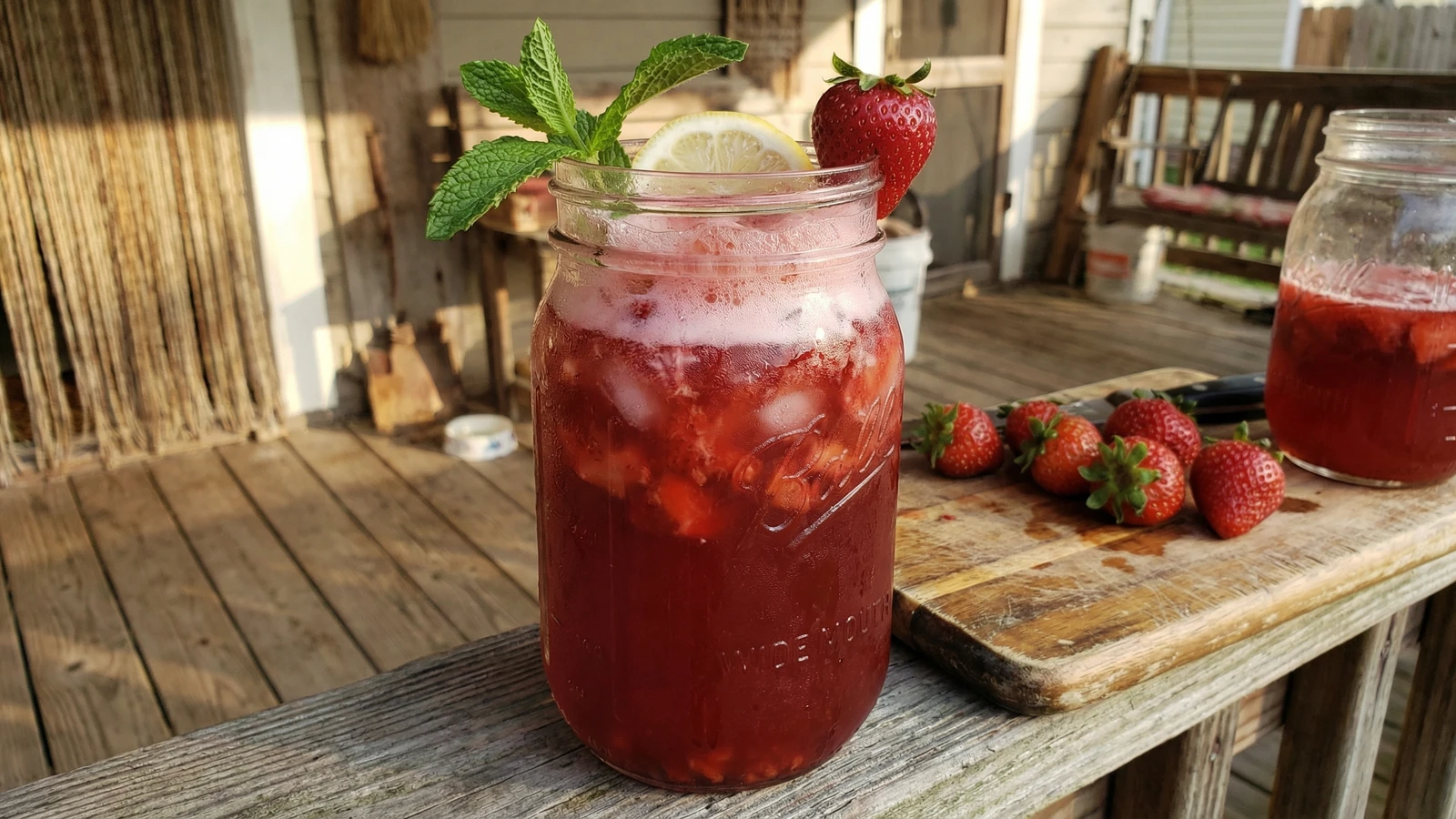
Louisiana Strawberry Lemonade
Created by Chef Remy
Ruby red lemonade made with Ponchatoula's legendary strawberries muddled into fresh-squeezed citrus, sweetened with simple syrup, and served ice-cold in mason jars the way we do it at every Louisiana porch gathering worth attending.
Every April, the town of Ponchatoula throws a festival for the strawberry. That tells you everything you need to know about how serious Louisiana takes this fruit. These berries are smaller than what you find in grocery stores, but the flavor is concentrated sunshine. Sweet enough to eat warm from the field, jammy and fragrant in a way that commercial berries forgot how to be.
My grandmother Evangeline made strawberry lemonade every Sunday during strawberry season. She would send us kids out to the garden to pick lemons from her tree, then we would hull berries until our fingers turned pink. No measuring. She knew by taste when it was right. That is the bayou way: trust your palate, adjust as you go, and never serve anything you have not tasted yourself.
The secret is muddling the berries properly. You want to break them down enough to release their juice and color, but leave some texture. Too smooth and you lose the rustic character. Too chunky and the flavor does not distribute. At Lagniappe, we go through gallons of this during the summer months. Nothing cuts through Louisiana heat like cold lemonade with real fruit in it.
The technique, the tradition, and the story behind every dish.
Discover Culinary AdvisorIngredients
fresh strawberries
Quantity
1 pound
hulled and quartered
freshly squeezed lemon juice
Quantity
1 1/2 cups (about 8-10 lemons)
granulated sugar
Quantity
1 cup
water (for simple syrup)
Quantity
1 cup
cold water
Quantity
5 cups
fresh mint sprigs (optional)
Quantity
for garnish
lemon wheels (optional)
Quantity
for garnish
ice
Quantity
for serving
| Ingredient | Quantity |
|---|---|
| fresh strawberrieshulled and quartered | 1 pound |
| freshly squeezed lemon juice | 1 1/2 cups (about 8-10 lemons) |
| granulated sugar | 1 cup |
| water (for simple syrup) | 1 cup |
| cold water | 5 cups |
| fresh mint sprigs (optional) | for garnish |
| lemon wheels (optional) | for garnish |
| ice | for serving |
Equipment Needed
- •Large pitcher (2-quart minimum)
- •Wooden muddler or sturdy spoon
- •Fine-mesh strainer
- •Citrus juicer or reamer
- •Small saucepan
Instructions
- 1
Make the simple syrup
Combine sugar and one cup of water in a small saucepan over medium heat. Stir until the sugar dissolves completely, about three minutes. You should not see any grains when you drag a spoon across the bottom. Remove from heat and let cool to room temperature. This syrup distributes sweetness evenly through cold liquid in a way granulated sugar never will.
Simple syrup keeps refrigerated for two weeks. Make a double batch and you are always ready for lemonade, cocktails, or sweet tea. - 2
Muddle the strawberries
Place quartered strawberries in a large pitcher or bowl. Using a wooden spoon or muddler, press and twist the berries until they release their juice and break down into rough pieces. You want a chunky puree with visible berry bits, not a smooth paste. The color should be deep ruby red and the aroma should hit you immediately. This is where the magic lives.
If your berries are not fragrant at room temperature, they will not have much flavor in the lemonade. Seek out local berries or wait until they are in season. - 3
Squeeze fresh lemons
Roll each lemon firmly against the counter before cutting. This breaks down the membranes inside and yields more juice. Cut in half and squeeze through a fine-mesh strainer to catch seeds and pulp. You need one and a half cups of juice. Taste it. Good lemon juice should make your mouth pucker but also have a floral quality underneath the sour.
- 4
Combine and balance
Add the lemon juice to the muddled strawberries. Pour in the cooled simple syrup and five cups of cold water. Stir everything together thoroughly. Now here is the important part: taste it. The balance between sweet, sour, and fruity depends on your berries and your lemons. Add more syrup if it puckers too hard. Add more lemon if it tastes flat. Trust your palate.
The lemonade will taste slightly stronger before you add ice. The melting ice will dilute it, so aim for a flavor that is just a touch more intense than you want in the final glass. - 5
Chill and steep
Refrigerate the lemonade for at least one hour before serving. This resting time allows the strawberry flavor to permeate the liquid fully. The color will deepen to a beautiful sunset red. Give it a good stir before serving since the berry pieces will settle.
- 6
Serve generously
Fill mason jars or tall glasses with ice. Pour the lemonade over the ice, making sure each glass gets some strawberry pieces. Garnish with a sprig of fresh mint and a lemon wheel if you have them. Serve immediately. This is porch-sitting, story-telling, afternoon-wasting lemonade. Do not rush it.
Chef Tips
- •Ponchatoula strawberries are worth seeking out if you can find them at farmers markets in late spring. If not, any ripe, fragrant local strawberry will do. Avoid those pale, oversized grocery store berries that smell like nothing.
- •For a crowd, double or triple the recipe and serve from a large glass dispenser with a spigot. At Lagniappe, we put out pitchers with a ladle so folks can help themselves.
- •Add a splash of bourbon or vodka to individual glasses for an adult version. About an ounce and a half per serving does nicely without overpowering the fruit.
- •Freeze some of the lemonade in ice cube trays. Use these cubes instead of regular ice and your drink will not get watery as it sits.
- •If you prefer a smoother lemonade without the berry pieces, strain through a fine-mesh sieve before chilling. You lose some rustic charm but gain a more refined drink.
Advance Preparation
- •Simple syrup can be made up to two weeks ahead and refrigerated in a sealed container.
- •The complete lemonade keeps refrigerated for up to three days, though it is best within the first day when the strawberry flavor is brightest.
- •For parties, muddle the strawberries and make the syrup the night before. Squeeze lemons and combine everything the morning of your gathering.
Frequently Asked Questions
Nutrition Information
1 serving (about 250g)
Where cooking meets culture.
Culinary mentorship, cultural storytelling, and the editorial depth that makes cooking meaningful.
Explore Culinary Advisor