Culinary Advisor
A cooking platform built around craft, culture, and the stories behind what we eat.
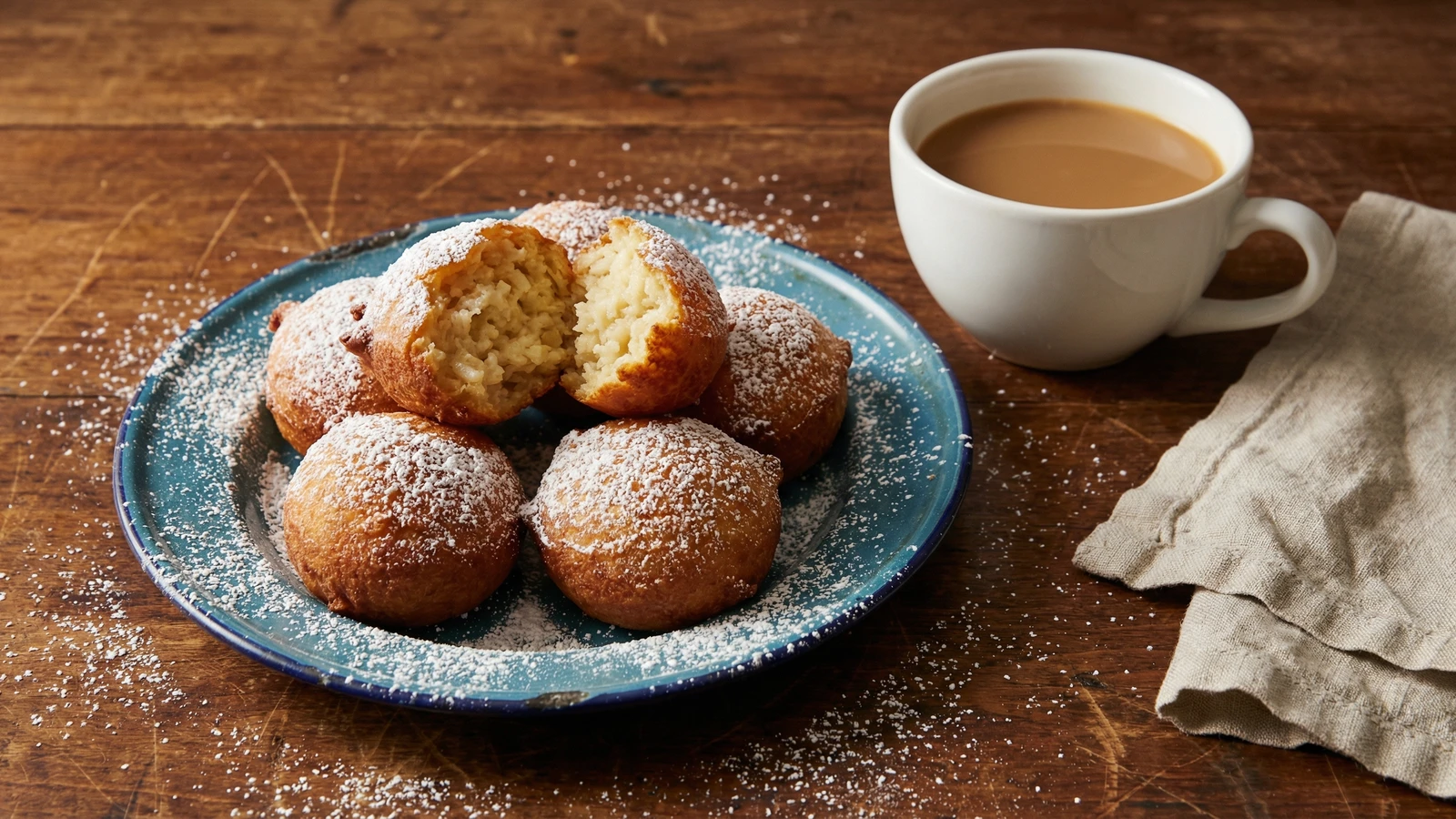
Louisiana Rice Calas
Created by Chef Remy
Crispy, golden rice fritters born from the streets of the old French Quarter, where vendors once called out 'Belles calas!' at dawn, dusted with powdered sugar and eaten warm with café au lait.
Before beignets became the darling of New Orleans breakfast, there were calas. Rice fritters sold by African American women who walked the French Quarter streets at sunrise, balancing baskets on their heads, calling out 'Belles calas! Tout chauds!' Beautiful calas, very hot. This was the original New Orleans street food, and it nearly disappeared from our tables.
The dish came to Louisiana through the African diaspora, carried in the memories and hands of enslaved people who knew how to transform humble leftover rice into something extraordinary. They mixed that cold rice with a yeasted batter, let it rise overnight, then fried spoonfuls in hot lard at dawn. The vendors earned their freedom selling these fritters, one precious nickel at a time. That's history you can taste.
At Lagniappe, we serve calas every Sunday brunch because some traditions deserve to live. The technique is simple but demands patience. You let the yeast do its work overnight, and in the morning you have a batter that's alive and ready. The rice gives these fritters a texture nothing else can match: crispy shells giving way to tender, almost creamy centers studded with soft rice grains. Dust them heavy with powdered sugar while they're still hot. That's the bayou way.
The technique, the tradition, and the story behind every dish.
Discover Culinary AdvisorIngredients
cooked white rice
Quantity
1 1/2 cups
cooled (from about 1/2 cup uncooked)
warm water
Quantity
1/2 cup
105-110°F
active dry yeast
Quantity
1 packet (2 1/4 teaspoons)
granulated sugar
Quantity
3 tablespoons, divided
all-purpose flour
Quantity
1 1/2 cups
fine sea salt
Quantity
1/2 teaspoon
freshly grated nutmeg
Quantity
1/2 teaspoon
ground cinnamon
Quantity
1/4 teaspoon
large eggs
Quantity
2
beaten
pure vanilla extract
Quantity
1 teaspoon
vegetable or peanut oil
Quantity
about 2 quarts
for frying
powdered sugar
Quantity
for dusting
| Ingredient | Quantity |
|---|---|
| cooked white ricecooled (from about 1/2 cup uncooked) | 1 1/2 cups |
| warm water105-110°F | 1/2 cup |
| active dry yeast | 1 packet (2 1/4 teaspoons) |
| granulated sugar | 3 tablespoons, divided |
| all-purpose flour | 1 1/2 cups |
| fine sea salt | 1/2 teaspoon |
| freshly grated nutmeg | 1/2 teaspoon |
| ground cinnamon | 1/4 teaspoon |
| large eggsbeaten | 2 |
| pure vanilla extract | 1 teaspoon |
| vegetable or peanut oilfor frying | about 2 quarts |
| powdered sugar | for dusting |
Equipment Needed
- •Large Dutch oven or heavy-bottomed pot (5-quart minimum)
- •Deep-fry thermometer
- •Slotted spoon or spider strainer
- •Wire cooling rack
- •Fine-mesh sieve for dusting
Instructions
- 1
Bloom the yeast
Pour the warm water into a large mixing bowl. The temperature matters here: too hot and you kill the yeast, too cold and it won't wake up. It should feel like a warm bath on your wrist. Sprinkle the yeast and one tablespoon of the sugar over the surface. Let it sit undisturbed for about ten minutes. You're looking for it to foam and bubble, proof that your yeast is alive and ready to work.
If your yeast doesn't foam after ten minutes, it's dead. Start over with fresh yeast and check your water temperature. - 2
Mash the rice
While the yeast blooms, put your cooled rice in a separate bowl. Using a fork or potato masher, crush the grains until about half are broken down and the mixture looks sticky and clumpy. You want some whole grains left for texture, but mashing releases the starch that helps bind everything together. This is the secret the old vendors knew: partially mashed rice makes a better fritter than whole grains alone.
- 3
Build the batter
Add the mashed rice to the foamy yeast mixture. Stir in the remaining two tablespoons of sugar, the flour, salt, nutmeg, and cinnamon. Mix until you have a thick, sticky batter. It will look rough and shaggy at this point. That's fine. The overnight rise will transform it.
- 4
Let it rise overnight
Cover the bowl tightly with plastic wrap and set it somewhere warm in your kitchen. The top of the refrigerator works well, or inside your oven with just the light on. Let it rise for at least eight hours, or overnight. In the morning, you'll find a batter that's doubled in size, bubbly, and smells yeasty and slightly sweet. This slow fermentation develops flavor you cannot rush.
The batter can rise up to twelve hours without harm. If your kitchen runs cold, the process just takes a little longer. - 5
Finish the batter
When you're ready to fry, stir down the risen batter with a wooden spoon. It will deflate and become sticky again. Beat the eggs with the vanilla in a small bowl, then fold them into the batter until fully incorporated. The mixture should be thick enough to hold its shape on a spoon but loose enough to drop easily. If it seems too thick, add a tablespoon of milk.
- 6
Heat the oil
Pour oil into a large Dutch oven or heavy-bottomed pot to a depth of three inches. Clip on a deep-fry thermometer and heat over medium-high until the oil reaches 360°F. This temperature is not negotiable. Too cool and your calas absorb oil and turn greasy. Too hot and they brown before the inside cooks through. Maintain steady heat throughout frying.
No thermometer? Drop a small bit of batter into the oil. It should sizzle immediately and float to the surface within seconds, browning steadily. - 7
Fry in batches
Working in batches of five or six, drop rounded tablespoons of batter into the hot oil. Use two spoons: one to scoop, one to push the batter off. The calas will sink briefly, then bob to the surface. Fry for two to three minutes per side, turning with a slotted spoon when the bottom turns deep golden brown. The finished fritters should be the color of dark honey all over, about four minutes total.
- 8
Drain and dust
Transfer the fried calas to a wire rack set over a sheet pan. Let them drain for just thirty seconds, then dust generously with powdered sugar while they're still hot. The sugar will cling to the warm surface and melt slightly into the crust. Serve immediately with café au lait, the way they've been eaten in New Orleans for two hundred years.
A fine-mesh sieve makes quick work of dusting. Pile the sugar on. Nobody ever complained about too much powdered sugar on a cala.
Chef Tips
- •Use day-old rice if you have it. Freshly cooked rice holds too much moisture and can make the batter loose. At Lagniappe, we always cook extra rice at dinner specifically for Sunday morning calas.
- •Freshly grated nutmeg makes a difference you can taste. The pre-ground stuff in the jar lost its soul months ago. Buy whole nutmegs and a microplane.
- •The oil temperature drops when you add batter. Don't crowd the pot, and let the oil recover between batches. Patience here means crispy fritters instead of soggy ones.
- •Calas are best eaten within minutes of frying. They don't hold well, which is exactly why the street vendors made them fresh at dawn. Plan to fry and serve, not fry and wait.
Advance Preparation
- •The batter must be made the night before to allow for the overnight rise. This is not optional; it's what makes calas taste like calas.
- •Rice can be cooked up to three days ahead and refrigerated. Cold rice actually works better than warm.
- •The risen batter can hold in the refrigerator for up to four hours if your morning plans change. Let it come to room temperature for thirty minutes before frying.
Frequently Asked Questions
Nutrition Information
1 serving (about 35g)
Where cooking meets culture.
Culinary mentorship, cultural storytelling, and the editorial depth that makes cooking meaningful.
Explore Culinary Advisor