Culinary Advisor
A cooking platform built around craft, culture, and the stories behind what we eat.
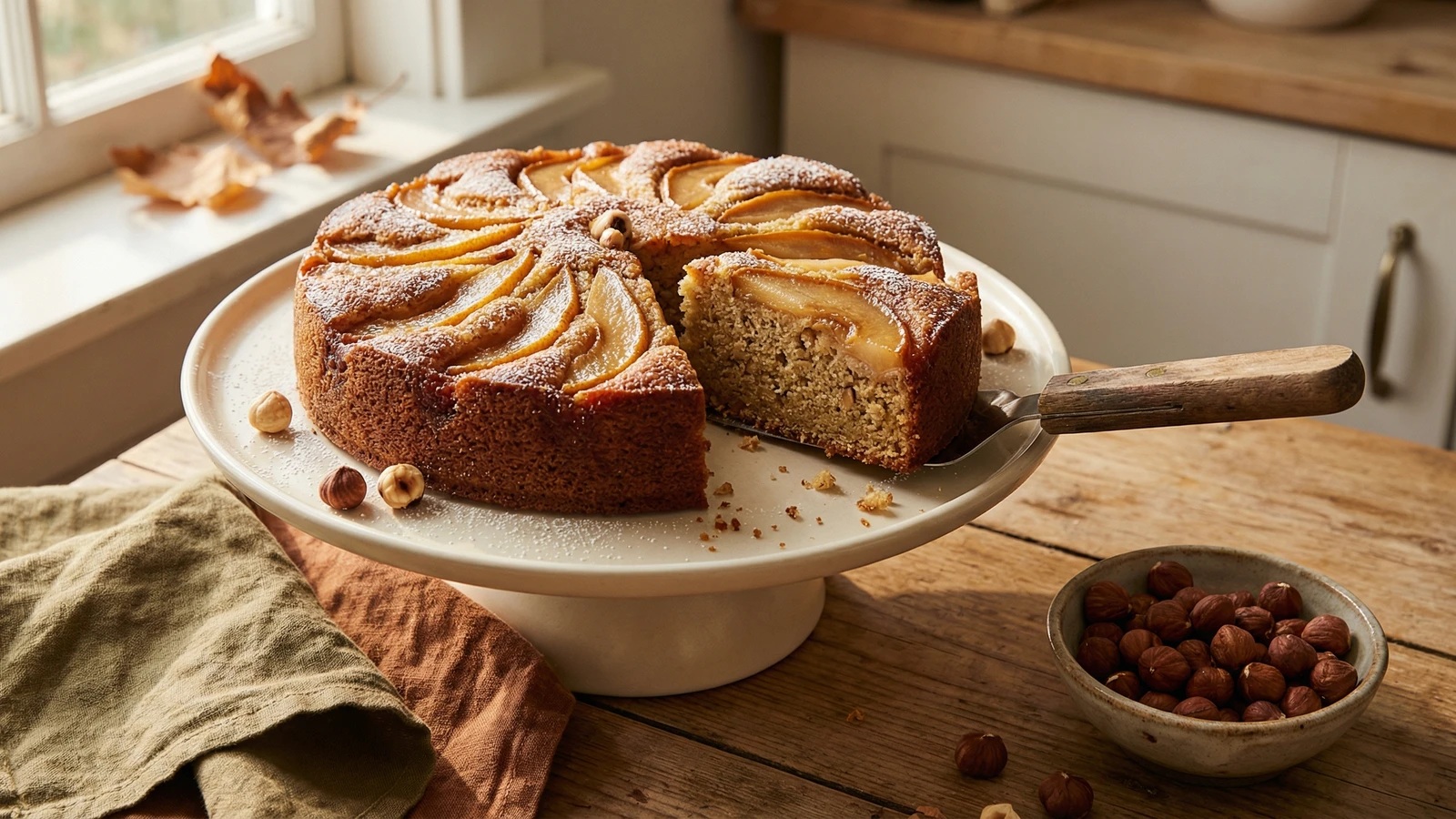
Hazelnut Brown Butter Cake with Autumn Pears
Created by Chef Ally
A tender, nutty cake built on the warmth of browned butter and toasted hazelnuts, crowned with caramelized autumn pears. No frosting, no fuss, just honest ingredients doing what they do best.
Start with the butter. Real butter, from a farmer you trust if you can find it. Watch it foam and quiet in the pan, turning from gold to amber, releasing an aroma so deeply nutty it could be the hazelnuts themselves. This is beurre noisette, and it is the soul of this cake.
The hazelnuts matter as much as the butter. Toast them until your kitchen smells like autumn, until the skins crack and the oils warm. Grind them yourself. The difference between freshly ground nuts and the stale meal from a bag is the difference between something alive and something that has forgotten what it was.
Then there are the pears. Bosc or Anjou, harvested in their season, firm enough to slice but ripe enough to perfume your hands. They caramelize as the cake bakes, their edges turning golden while their centers stay tender and sweet. Autumn on a plate.
This is the kind of dessert that needs nothing more. No frosting to mask. No decoration to distract. Just brown butter, hazelnuts, and pears, each allowed to taste of what they are.
The technique, the tradition, and the story behind every dish.
Discover Culinary AdvisorIngredients
unsalted butter
Quantity
1 cup (2 sticks/226g)
raw hazelnuts
Quantity
1 cup (100g)
all-purpose flour
Quantity
1 1/2 cups (190g)
baking powder
Quantity
1 teaspoon
fine sea salt
Quantity
1/2 teaspoon
granulated sugar
Quantity
1 cup (200g)
large eggs
Quantity
3
at room temperature
pure vanilla extract
Quantity
1 teaspoon
whole milk
Quantity
1/2 cup (120ml)
at room temperature
autumn pears
Quantity
2
ripe but firm, such as Bosc or Anjou
raw sugar
Quantity
2 tablespoons
for finishing
powdered sugar (optional)
Quantity
for dusting
| Ingredient | Quantity |
|---|---|
| unsalted butter | 1 cup (2 sticks/226g) |
| raw hazelnuts | 1 cup (100g) |
| all-purpose flour | 1 1/2 cups (190g) |
| baking powder | 1 teaspoon |
| fine sea salt | 1/2 teaspoon |
| granulated sugar | 1 cup (200g) |
| large eggsat room temperature | 3 |
| pure vanilla extract | 1 teaspoon |
| whole milkat room temperature | 1/2 cup (120ml) |
| autumn pearsripe but firm, such as Bosc or Anjou | 2 |
| raw sugarfor finishing | 2 tablespoons |
| powdered sugar (optional) | for dusting |
Equipment Needed
- •9-inch round cake pan
- •Food processor or spice grinder
- •Light-colored saucepan for browning butter
- •Parchment paper
Instructions
- 1
Toast the hazelnuts
Preheat your oven to 350F. Spread hazelnuts on a rimmed baking sheet and toast until fragrant and the skins begin to crack, about ten to twelve minutes. The kitchen will smell of autumn. Wrap the warm nuts in a clean dish towel and rub vigorously to remove most of the papery skins. Let cool completely, then pulse in a food processor until finely ground but not pasty. You want texture, not butter.
Do not worry about removing every last bit of skin. A few flecks add character and remind you these were whole nuts, not something from a bag. - 2
Brown the butter
Cut butter into tablespoon-sized pieces and place in a light-colored saucepan over medium heat. The color of the pan matters because you need to see the milk solids change. Swirl occasionally as the butter melts, foams, and then quiets. Watch the bottom. First golden flecks will appear, then the butter will turn the color of hazelnuts and smell deeply nutty, almost like caramel. This takes about five to seven minutes. The moment you see amber and smell that toasted aroma, pour into a heatproof bowl to stop the cooking. It will go from perfect to burnt in seconds.
Brown butter is called beurre noisette in French because it smells like hazelnuts. Here you are pairing that flavor with actual hazelnuts, which is why this cake works. - 3
Prepare the pan and dry ingredients
Butter a 9-inch round cake pan and line the bottom with parchment. Butter the parchment as well. In a medium bowl, whisk together the flour, ground hazelnuts, baking powder, and salt. Set aside.
- 4
Mix the batter
In a large bowl, whisk the granulated sugar into the warm brown butter until combined. The mixture will look grainy and slightly separated. Add eggs one at a time, whisking well after each. Add vanilla. The batter should turn smooth and glossy. Add half the flour mixture, stir gently with a spatula, then add the milk, then the remaining flour. Fold until just combined. The batter will be thick and fragrant, speckled with bits of hazelnut.
- 5
Prepare the pears
Quarter and core the pears. Slice each quarter lengthwise into thin wedges, about a quarter inch thick. The pears should be ripe enough to perfume your hands but firm enough to hold their shape. If they yield too easily at the neck, they will collapse in the oven.
- 6
Assemble and bake
Pour batter into prepared pan and smooth the top. Arrange pear slices in a circular pattern, pressing them gently into the batter. Some will sink slightly; this is fine. Sprinkle raw sugar over the top. Bake until the cake is deep golden, the edges pull away from the pan, and a tester inserted in the center comes out with just a few moist crumbs, about 50 to 55 minutes. The pears will have caramelized at their edges and the sugar will have formed a delicate crust.
- 7
Cool and serve
Let the cake rest in the pan for fifteen minutes. Run a knife around the edges, then invert onto a rack and flip right-side up onto a serving plate. The cake is beautiful at any temperature: warm from the oven with the pears still glistening, or at room temperature where the flavors have settled and deepened. A light dusting of powdered sugar is lovely but entirely optional. The cake needs nothing more.
This cake improves overnight. The brown butter flavor becomes more pronounced as it rests, and the crumb grows more tender.
Chef Tips
- •Seek out hazelnuts from Oregon or the Piedmont region of Italy, where they grow with an intensity you will not find elsewhere. Ask at your farmers market or a good natural foods store.
- •The brown butter can be made a day ahead and refrigerated. Bring it to room temperature or warm gently before using. It solidifies like regular butter but keeps that toasted flavor.
- •Choose pears that yield only slightly at the neck when pressed. Too ripe and they turn to mush in the oven; too firm and they stay hard and flavorless.
- •This cake is beautiful for a holiday table because it looks abundant without appearing fussy. Your guests will know someone cared without feeling like they are eating a production.
Advance Preparation
- •Brown butter can be made up to one week ahead and refrigerated. Warm gently to liquefy before using.
- •Hazelnuts can be toasted and ground up to three days ahead. Store in an airtight container at room temperature.
- •The fully baked cake keeps at room temperature, well wrapped, for up to three days. The flavor actually improves overnight as the brown butter deepens.
Frequently Asked Questions
Nutrition Information
1 serving (about 133g)
Where cooking meets culture.
Culinary mentorship, cultural storytelling, and the editorial depth that makes cooking meaningful.
Explore Culinary Advisor