Culinary Advisor
A cooking platform built around craft, culture, and the stories behind what we eat.
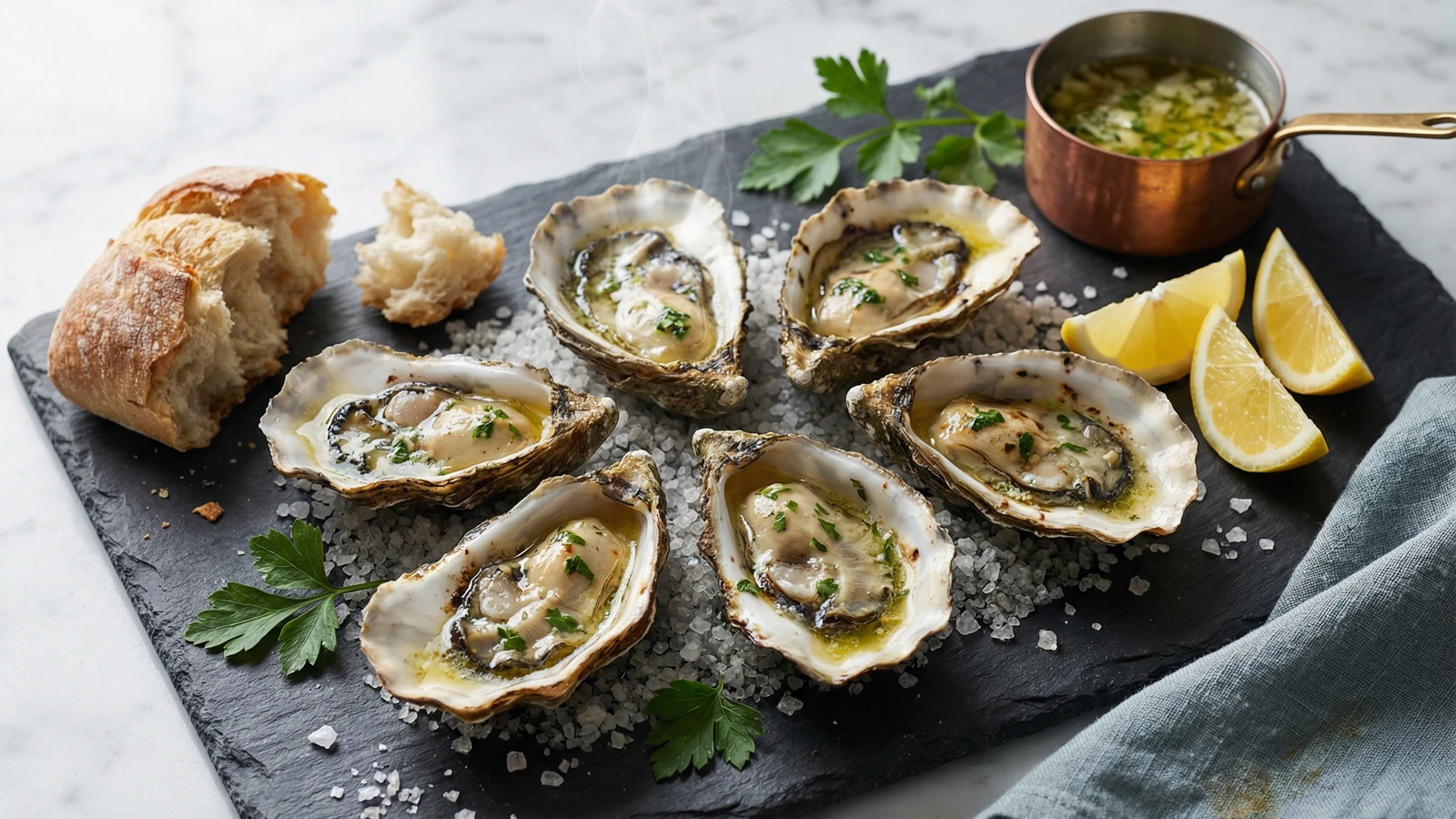
Grilled Oysters with Garlic Butter
Created by
Plump Pacific oysters kissed by charcoal smoke and drenched in sizzling garlic butter, a celebration of the Northwest coast that transforms any backyard into a beachside oyster roast.
The Pacific Northwest was built on oysters. Coast Salish peoples harvested them for thousands of years before European ships ever reached these waters. They steamed them over alder fires, creating a tradition that predates everything we call American cuisine. When you grill an oyster today, you're participating in something ancient.
I grew up with these shellfish. Willapa Bay, Hood Canal, Samish Bay. Names that mean nothing to most Americans but represent some of the finest oyster beds on earth. Cold, nutrient-rich waters produce oysters with a sweetness you won't find on the Atlantic coast. Different terroir, different character. A Kumamoto tastes nothing like a Bluepoint, and both deserve your attention.
The technique here couldn't be simpler. Heat forces the shells open. The liquor mingles with butter. Garlic perfumes everything. Five minutes from grill to mouth. What makes this dish extraordinary isn't complexity. It's restraint. The oyster does the work. You just provide the fire.
I've served these at dinner parties where guests who swore they hated oysters went back for thirds. The grill transforms them. Raw oysters intimidate people. Grilled oysters seduce them. That bubbling butter, that wisp of smoke, that first briny bite followed by sweetness. This is cooking that converts skeptics.
The technique, the tradition, and the story behind every dish.
Discover Culinary AdvisorIngredients
fresh Pacific oysters
Quantity
24
scrubbed clean
unsalted butter
Quantity
8 tablespoons
garlic
Quantity
6 cloves
minced fine
fresh flat-leaf parsley
Quantity
2 tablespoons
chopped
fresh chives
Quantity
1 tablespoon
minced
fresh lemon zest
Quantity
1 teaspoon
fresh lemon juice
Quantity
2 tablespoons
crushed red pepper flakes
Quantity
1/4 teaspoon
flaky sea salt
Quantity
1/2 teaspoon
black pepper
Quantity
to taste
freshly cracked
lemon wedges (optional)
Quantity
for serving
crusty bread (optional)
Quantity
for serving
| Ingredient | Quantity |
|---|---|
| fresh Pacific oystersscrubbed clean | 24 |
| unsalted butter | 8 tablespoons |
| garlicminced fine | 6 cloves |
| fresh flat-leaf parsleychopped | 2 tablespoons |
| fresh chivesminced | 1 tablespoon |
| fresh lemon zest | 1 teaspoon |
| fresh lemon juice | 2 tablespoons |
| crushed red pepper flakes | 1/4 teaspoon |
| flaky sea salt | 1/2 teaspoon |
| black pepperfreshly cracked | to taste |
| lemon wedges (optional) | for serving |
| crusty bread (optional) | for serving |
Equipment Needed
- •Charcoal or gas grill
- •Long-handled tongs
- •Heat-resistant grill gloves
- •Stiff-bristled brush for scrubbing shells
- •Oyster knife or sturdy butter knife
- •Small saucepan for butter
- •Sheet pan
- •Serving platter with rock salt or crumpled foil for stability
Instructions
- 1
Prepare the garlic butter
Melt butter in a small saucepan over medium-low heat. When it foams, add the minced garlic and cook until fragrant and just beginning to turn golden, about two minutes. You want the garlic softened but not brown. Remove from heat and stir in the parsley, chives, lemon zest, lemon juice, and red pepper flakes. Season with salt and pepper. Keep warm while you prepare the grill.
Make the butter compound up to three days ahead. Refrigerate it, then melt gently before serving. - 2
Prepare the grill
Build a hot fire in your charcoal grill, banking the coals to one side for direct high heat. You want intense, concentrated heat. If using gas, crank all burners to high and close the lid for ten minutes. The grate should be hot enough that you can hold your hand six inches above it for only two seconds. Scrub the grate clean with a wire brush.
Charcoal or wood fire adds smoke flavor that gas cannot replicate. If you have access to alder wood, add a few chunks to your coals for authentic Pacific Northwest character. - 3
Scrub and inspect oysters
Rinse the oysters under cold running water, scrubbing each shell with a stiff brush to remove grit and debris. Discard any oysters with cracked shells or shells that don't close when tapped sharply. A dead oyster is not worth the risk. Store them cup-side down on a sheet pan lined with damp towels until ready to grill.
Fresh oysters smell like clean seawater. Any ammonia odor means they've turned. Trust your nose. - 4
Grill the oysters
Place oysters directly on the hot grill grate, flat side up. Close the lid. Listen for the sizzle. After three to four minutes, the shells will begin to open and the liquor will start to bubble. This is your signal. Using long tongs and a heat-resistant glove, transfer opened oysters to a platter immediately. Some stubborn ones need another minute. Any that refuse to open after six minutes should be discarded.
- 5
Remove the top shell
Working quickly while oysters are still hot, use an oyster knife or butter knife to pry off the top shell of each oyster. The heat has already done most of the work. Slide the blade along the inside of the top shell to sever the muscle. Discard the top shells. Check each oyster for shell fragments and flick them away. The oyster should sit nestled in its curved bottom shell, swimming in its own liquor.
- 6
Finish with garlic butter
Spoon a generous teaspoon of warm garlic butter over each oyster. Work fast. You want the butter to sizzle when it hits the hot shell, mingling with the oyster liquor to create a sauce worth fighting over. Arrange finished oysters on a platter lined with rock salt or crumpled foil to keep them stable. Serve immediately with lemon wedges and plenty of crusty bread to sop up every drop of that butter.
Chef Tips
- •Buy your oysters from a reputable fishmonger who can tell you where they were harvested and when. Oysters should be alive when you cook them. Ask to see the harvest tag if you're buying from a new source.
- •Pacific oyster varieties each have distinct personalities. Kumamotos are small and sweet. Pacific Golds are plump and briny. Shigokus are clean and crisp. Ask what's freshest and adjust your expectations accordingly.
- •The old rule about only eating oysters in months containing the letter R exists because oysters spawn in warm summer months and become watery and less flavorful. Modern aquaculture has made year-round enjoyment possible, but winter and spring oysters remain superior.
- •A crisp, mineral-driven white wine belongs alongside these oysters. Muscadet from the Loire. Oregon Pinot Gris. Washington State Grüner Veltliner. The wine should be as cold as the Pacific.
- •Leftover garlic butter freezes beautifully. Roll it in plastic wrap to form a log, then slice off rounds whenever you need them for steaks, fish, or vegetables.
Advance Preparation
- •Garlic butter can be prepared up to 3 days ahead and refrigerated. Rewarm gently before serving.
- •Oysters can be scrubbed and stored cup-side down on damp towels in the refrigerator up to 24 hours before cooking. Cover with another damp towel but never submerge in fresh water.
- •Set up your platter with rock salt or foil before you start grilling so you can work quickly once oysters come off the heat.
Frequently Asked Questions
Nutrition Information
1 serving (about 195g)
Where cooking meets culture.
Culinary mentorship, cultural storytelling, and the editorial depth that makes cooking meaningful.
Explore Culinary Advisor