Culinary Advisor
A cooking platform built around craft, culture, and the stories behind what we eat.
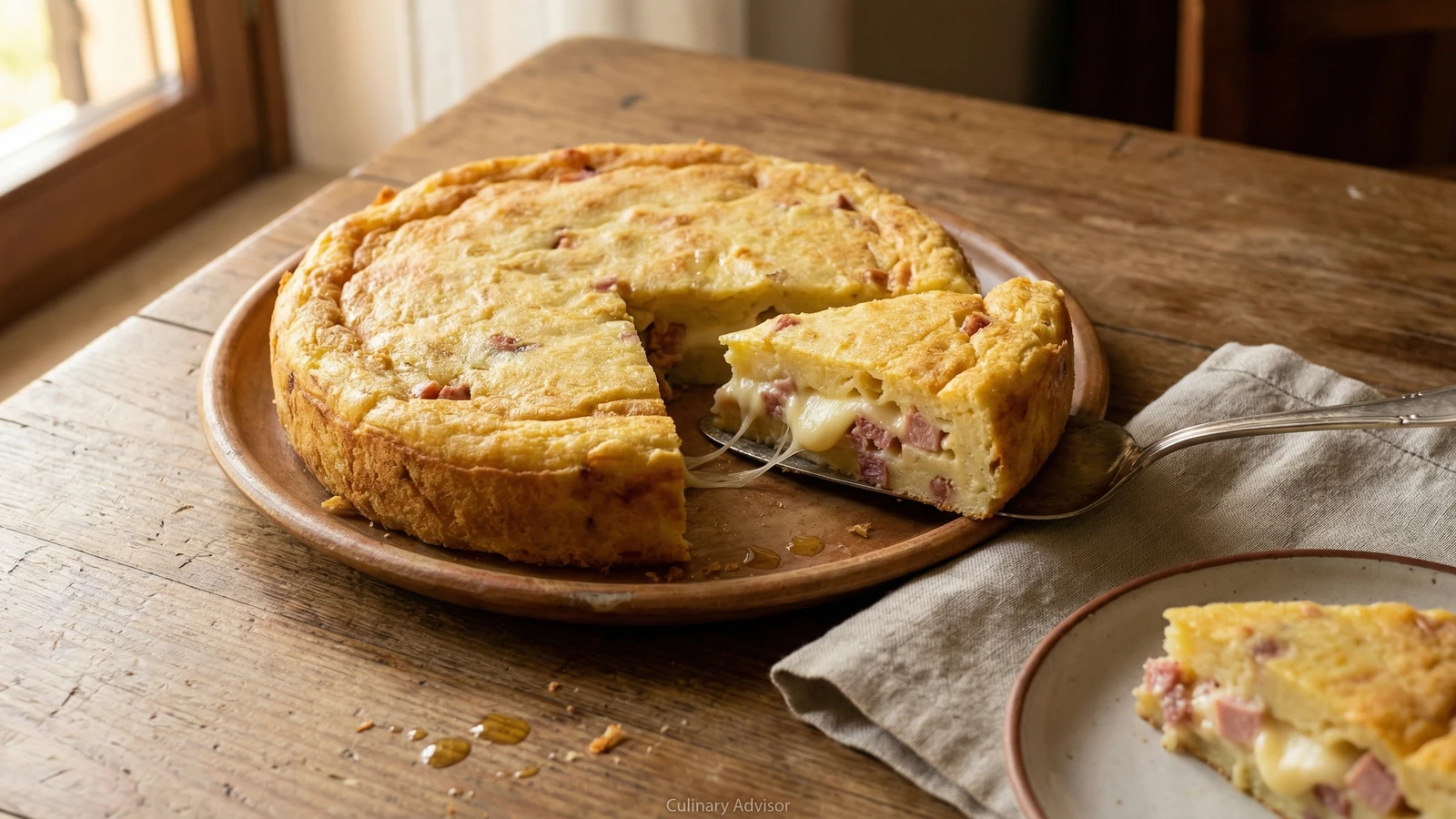
Gatto di Patate
Created by Chef Graziella
The baroque potato cake of Naples, where silky mashed potatoes enfold a hidden treasure of cheeses and cured meats, then bake until a golden crust gives way to molten richness within.
ANeapolitan gatto is not a French gratin. The name may derive from the French gâteau, a legacy of the Bourbon court's French-trained cooks, but the dish belongs entirely to Naples. It is comfort food for Sunday lunch, the kind of thing your nonna brings out when she wants to prove she still loves you best.
The foundation is proper mashed potatoes: riced while hot, enriched with butter and milk, bound with egg yolks. Americans treat mashed potatoes as a side dish. Neapolitans understand they can be the main event. The potatoes become a shell, a vessel, for the real extravagance: cubes of provola that melt into strings, pink mortadella from Bologna, spicy salame that perfumes each bite.
What distinguishes gatto from lesser potato dishes is the crust. Breadcrumbs coat the pan and top the cake, creating a golden shell that shatters against your fork. Inside, everything is soft and giving. The contrast matters. Without the crust, you have only fancy mashed potatoes.
Gatto di patate emerged from the kitchens of the Neapolitan aristocracy during the Bourbon reign in the 18th and 19th centuries. The monzù, French-trained chefs whose title derived from the French 'monsieur,' created elaborate dishes for noble tables. The potato cake was their gift to common people: an aristocratic technique made accessible with humble ingredients, eventually becoming standard fare in every Neapolitan home.
The technique, the tradition, and the story behind every dish.
Discover Culinary AdvisorIngredients
Yukon Gold or russet potatoes
Quantity
3 pounds
unsalted butter
Quantity
6 tablespoons, plus more for pan
whole milk
Quantity
1 cup
warmed
large egg yolks
Quantity
4
Parmigiano-Reggiano
Quantity
1 cup
freshly grated
nutmeg
Quantity
1/2 teaspoon
freshly grated
kosher salt
Quantity
to taste
black pepper
Quantity
to taste
freshly ground
provola or scamorza cheese
Quantity
8 ounces
cut into 1/2-inch cubes
mortadella
Quantity
4 ounces
diced
Neapolitan salame or soppressata
Quantity
3 ounces
diced
fresh mozzarella
Quantity
4 ounces
drained and cut into small cubes
fine dry breadcrumbs
Quantity
1/2 cup
| Ingredient | Quantity |
|---|---|
| Yukon Gold or russet potatoes | 3 pounds |
| unsalted butter | 6 tablespoons, plus more for pan |
| whole milkwarmed | 1 cup |
| large egg yolks | 4 |
| Parmigiano-Reggianofreshly grated | 1 cup |
| nutmegfreshly grated | 1/2 teaspoon |
| kosher salt | to taste |
| black pepperfreshly ground | to taste |
| provola or scamorza cheesecut into 1/2-inch cubes | 8 ounces |
| mortadelladiced | 4 ounces |
| Neapolitan salame or soppressatadiced | 3 ounces |
| fresh mozzarelladrained and cut into small cubes | 4 ounces |
| fine dry breadcrumbs | 1/2 cup |
Equipment Needed
- •10-inch round baking dish or springform pan
- •Potato ricer or food mill
- •Large pot for boiling potatoes
Instructions
- 1
Cook the potatoes
Place whole, unpeeled potatoes in a large pot. Cover with cold water by two inches and add a generous amount of salt. Bring to a boil, then reduce to a steady simmer. Cook until a knife slides through the center without resistance, 35 to 45 minutes depending on size. The potatoes must be cooked through completely. Underdone potatoes will not mash properly and your gatto will be lumpy.
- 2
Prepare the pan
While the potatoes cook, butter a 10-inch round baking dish or springform pan generously. Coat the bottom and sides completely with breadcrumbs, tapping out any excess. The breadcrumbs create the golden crust that defines this dish. Set aside.
- 3
Rice the potatoes
Drain the potatoes. While still hot, peel them using a kitchen towel to protect your hands. Pass them immediately through a ricer or food mill into a large bowl. Work quickly. Hot potatoes rice smoothly; cold potatoes become gluey.
Never use a food processor or blender for mashed potatoes. The blade ruptures the starch cells and creates paste. A ricer or food mill is essential. - 4
Enrich the potatoes
Add the butter to the hot riced potatoes and stir until melted and absorbed. Add the warm milk gradually, stirring constantly, until the mixture is smooth and creamy but still holds its shape. You may not need all the milk. The potatoes should be rich but not loose.
- 5
Add the binding
Let the potato mixture cool for 10 minutes. It must not be hot or the eggs will scramble. Beat in the egg yolks one at a time, stirring vigorously after each addition. Add the Parmigiano-Reggiano and nutmeg. Season generously with salt and pepper. Taste it. The mixture should be well-seasoned on its own.
- 6
Prepare the filling
In a bowl, combine the cubed provola, mortadella, salame, and fresh mozzarella. Toss gently to distribute. This is the treasure hidden inside your potato cake.
Provola affumicata, smoked provola, adds another layer of flavor. If unavailable, scamorza works well. What you must avoid is the rubbery processed mozzarella sold in American supermarkets. - 7
Assemble the gatto
Preheat your oven to 375°F. Spread half of the potato mixture into the prepared pan, pressing it evenly across the bottom and slightly up the sides. The layer should be about one inch thick. Scatter the filling mixture evenly over the potatoes. Top with the remaining potato mixture, spreading it gently to cover the filling completely. Smooth the top with a spatula.
- 8
Finish and bake
Scatter the remaining breadcrumbs over the top. Dot with small pieces of butter. Bake in the center of the oven until the top is deeply golden and the edges are pulling away from the pan, 45 to 50 minutes. The internal temperature should register at least 165°F if you are uncertain.
- 9
Rest and serve
Remove from the oven and let rest for at least 15 minutes before slicing. This is not optional. The gatto needs time to set. If using a springform pan, release the sides after resting. Slice into wedges like a cake. The cheese inside will pull in long strings when you serve it warm. This is precisely correct.
Gatto is excellent at room temperature and even better the next day, reheated in a moderate oven until warmed through. Neapolitan families often make it specifically to eat cold for lunch.
Chef Tips
- •Use starchy potatoes, not waxy ones. Yukon Gold or russet work well. Waxy potatoes like Red Bliss will not rice properly and the texture will be wrong.
- •The egg yolks are your binding agent and must be added when the potatoes have cooled somewhat. Too hot and they scramble. Too cold and they will not incorporate smoothly. Lukewarm is correct.
- •Provola is the traditional cheese, but it can be difficult to find. Scamorza is the closest substitute. In desperation, low-moisture mozzarella will work, though the flavor suffers. Fresh mozzarella alone is too wet.
- •Neapolitans sometimes add a layer of hard-boiled eggs, sliced thin, between the potato and filling. This is traditional for Easter. You may include them if you wish.
Advance Preparation
- •The potato mixture can be prepared through the egg yolk step up to one day ahead. Refrigerate covered. Bring to room temperature before assembling.
- •The fully assembled, unbaked gatto can be refrigerated overnight. Add 10 minutes to the baking time if baking cold.
- •Leftover gatto keeps three days refrigerated. Reheat in a 325°F oven until warmed through, about 20 minutes. Some prefer it at room temperature.
Frequently Asked Questions
Nutrition Information
1 serving (about 290g)
Where cooking meets culture.
Culinary mentorship, cultural storytelling, and the editorial depth that makes cooking meaningful.
Explore Culinary Advisor