Culinary Advisor
A cooking platform built around craft, culture, and the stories behind what we eat.
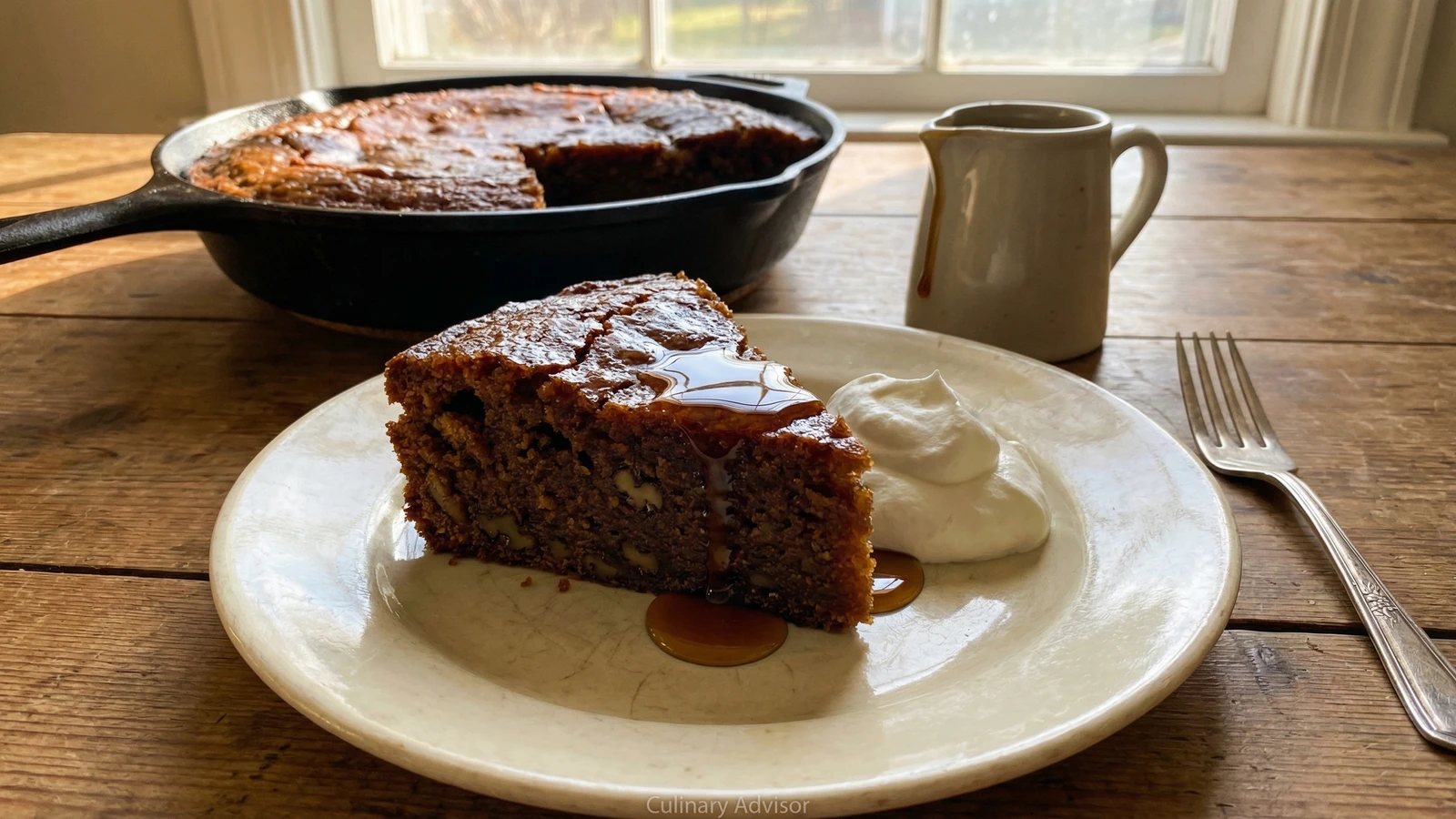
Gateau Sirop (Cajun Cane Syrup Cake)
Created by Chef Remy
A sticky, warmly spiced cake drenched in pure Louisiana cane syrup, the kind of honest dessert that sustained sugarcane farmers through long harvest days and now graces holiday tables across Acadiana.
Cane syrup is the soul of Louisiana. Before refined sugar became cheap, before corn syrup took over America's pantries, there was this: thick, dark amber liquid pressed from sugarcane stalks and boiled down in open kettles. My grandmother Evangeline kept a tin of Steen's in her pantry like most folks keep salt. She put it on everything. Biscuits, cornbread, sweet potatoes. And when she wanted dessert without fuss, she made gateau sirop.
This cake tells the story of Cajun resourcefulness. Farm families in the cane fields had syrup in abundance, eggs from the henhouse, butter from the dairy, and spices traded up from New Orleans. You mix it all together, bake it in a cast iron skillet or a worn cake pan, and you have something that tastes like the holidays even on an ordinary Tuesday. The syrup keeps the crumb impossibly moist for days.
At Lagniappe, we serve slices of gateau sirop warm with a drizzle of fresh cane syrup and a cloud of bourbon whipped cream. Folks who grew up in Acadiana get misty-eyed. Folks who didn't understand immediately why we guard these traditions so fiercely. This is comfort in its purest form: dark, sticky, fragrant with ginger and cinnamon, and absolutely impossible to eat just one piece of.
The technique, the tradition, and the story behind every dish.
Discover Culinary AdvisorIngredients
all-purpose flour
Quantity
2 1/2 cups (310g)
baking soda
Quantity
1 1/2 teaspoons
ground ginger
Quantity
2 teaspoons
ground cinnamon
Quantity
1 1/2 teaspoons
ground nutmeg
Quantity
1/2 teaspoon
ground cloves
Quantity
1/4 teaspoon
fine sea salt
Quantity
1/2 teaspoon
pure Louisiana cane syrup
Quantity
1 cup (240ml)
unsalted butter
Quantity
1/2 cup (1 stick/113g)
granulated sugar
Quantity
1 cup (200g)
large eggs
Quantity
2
at room temperature
hot water
Quantity
1 cup (240ml)
chopped pecans (optional)
Quantity
1 cup (120g)
softened butter
Quantity
for greasing pan
additional cane syrup
Quantity
for serving
bourbon whipped cream (optional)
Quantity
for serving
| Ingredient | Quantity |
|---|---|
| all-purpose flour | 2 1/2 cups (310g) |
| baking soda | 1 1/2 teaspoons |
| ground ginger | 2 teaspoons |
| ground cinnamon | 1 1/2 teaspoons |
| ground nutmeg | 1/2 teaspoon |
| ground cloves | 1/4 teaspoon |
| fine sea salt | 1/2 teaspoon |
| pure Louisiana cane syrup | 1 cup (240ml) |
| unsalted butter | 1/2 cup (1 stick/113g) |
| granulated sugar | 1 cup (200g) |
| large eggsat room temperature | 2 |
| hot water | 1 cup (240ml) |
| chopped pecans (optional) | 1 cup (120g) |
| softened butter | for greasing pan |
| additional cane syrup | for serving |
| bourbon whipped cream (optional) | for serving |
Equipment Needed
- •9x13-inch baking pan or 10-inch cast iron skillet
- •Medium saucepan
- •Large mixing bowl
- •Whisk or wooden spoon
- •Wire cooling rack
Instructions
- 1
Prepare your pan
Preheat your oven to 350F. Grease a 9x13-inch baking pan or a 10-inch cast iron skillet generously with softened butter. If using cast iron (which I prefer because it gives the edges that beautiful caramelized crust), make sure you get butter into every corner. Set aside while you build the batter.
A well-seasoned cast iron skillet produces the best gateau sirop. The edges get slightly crisp from the iron's heat while the center stays tender and sticky. - 2
Blend the dry ingredients
Whisk together the flour, baking soda, ginger, cinnamon, nutmeg, cloves, and salt in a large bowl. Take a moment to smell this mixture. That warm, spicy fragrance is what makes gateau sirop taste like the holidays. The spice ratios here lean heavy on ginger because that's the bayou way. It should smell assertive, almost peppery.
- 3
Warm the syrup and butter
Combine the cane syrup and butter in a medium saucepan over medium-low heat. Stir occasionally until the butter melts completely and the mixture is smooth and warmed through. You're not trying to cook it, just marry the two together. The syrup should feel warm to the touch, not hot. This gentle warming makes the syrup flow better and helps it incorporate smoothly into the batter.
Pure Louisiana cane syrup is not the same as molasses, Karo, or maple syrup. Steen's has been making it the same way since 1910, and nothing else gives you the authentic flavor. Accept no substitutes. - 4
Build the wet mixture
Pour the warmed syrup mixture into a large mixing bowl. Add the sugar and beat with a wooden spoon or whisk until the sugar dissolves. Add the eggs one at a time, beating well after each. The mixture will become glossy and lighter in color, almost like caramel. Taste it if you want. Nobody will judge you.
- 5
Combine wet and dry
Add the flour mixture to the wet ingredients in three additions, stirring after each until just combined. The batter will be thick and fragrant. Now add the hot water all at once and stir until smooth. The batter will thin out considerably. This is correct. Don't panic. That hot water activates the baking soda and gives the cake its characteristic tender crumb.
Some old recipes use hot coffee instead of water. This deepens the flavor without making the cake taste like coffee. Worth trying once you've made the traditional version. - 6
Add pecans and pour
If using pecans, fold them into the batter now. Pour the batter into your prepared pan. It will seem very thin, almost like you made a mistake. Trust the process. The batter should come about two-thirds up the sides of your pan, giving the cake room to rise.
- 7
Bake until set
Slide the pan into your preheated oven and bake for 45 to 50 minutes. The cake is done when a toothpick inserted in the center comes out with just a few moist crumbs clinging to it. The top will be deeply golden and slightly cracked, the edges pulled away from the pan. The house will smell like Christmas morning in Acadiana.
Every oven runs different. Start checking at 40 minutes. The cake should spring back when pressed gently in the center. Overbaking dries out the crumb, and we want this cake sticky and moist. - 8
Cool and serve
Let the cake cool in the pan for at least 20 minutes before serving. Some folks serve it warm from the skillet, others prefer it at room temperature. Either way, drizzle each slice with more cane syrup right before serving. The syrup will pool around the edges like a sweet amber moat. Add a generous dollop of bourbon whipped cream if you're feeling fancy, though my grandmother would tell you the cake needs nothing but itself.
Chef Tips
- •Steen's 100% Pure Cane Syrup is the gold standard and has been produced in Abbeville, Louisiana since 1910. You can order it online if your grocery store doesn't carry it. Do not substitute molasses, which is too bitter, or pancake syrup, which is mostly corn syrup and will make the cake too sweet with no depth.
- •This cake actually improves after a day. The syrup continues to saturate the crumb, making it stickier and more flavorful. Store it covered at room temperature for up to five days.
- •For bourbon whipped cream, whip one cup of cold heavy cream with two tablespoons of powdered sugar and a tablespoon of good bourbon until soft peaks form. Don't overwhip. It should be billowy, not stiff.
- •The spice levels here are traditional. If you're not used to ginger-forward desserts, you can reduce the ginger to one and a half teaspoons, but I encourage you to try it the bayou way first.
Advance Preparation
- •The cake can be baked up to three days ahead and stored covered at room temperature. The flavor actually deepens as it sits.
- •For serving at a holiday gathering, bake the cake the day before and warm individual slices in a 300F oven for five minutes before drizzling with syrup.
- •The dry ingredients can be whisked together and stored in an airtight container for up to a month, ready for when the craving hits.
Frequently Asked Questions
Nutrition Information
1 serving (about 100g)
Where cooking meets culture.
Culinary mentorship, cultural storytelling, and the editorial depth that makes cooking meaningful.
Explore Culinary Advisor