Culinary Advisor
A cooking platform built around craft, culture, and the stories behind what we eat.
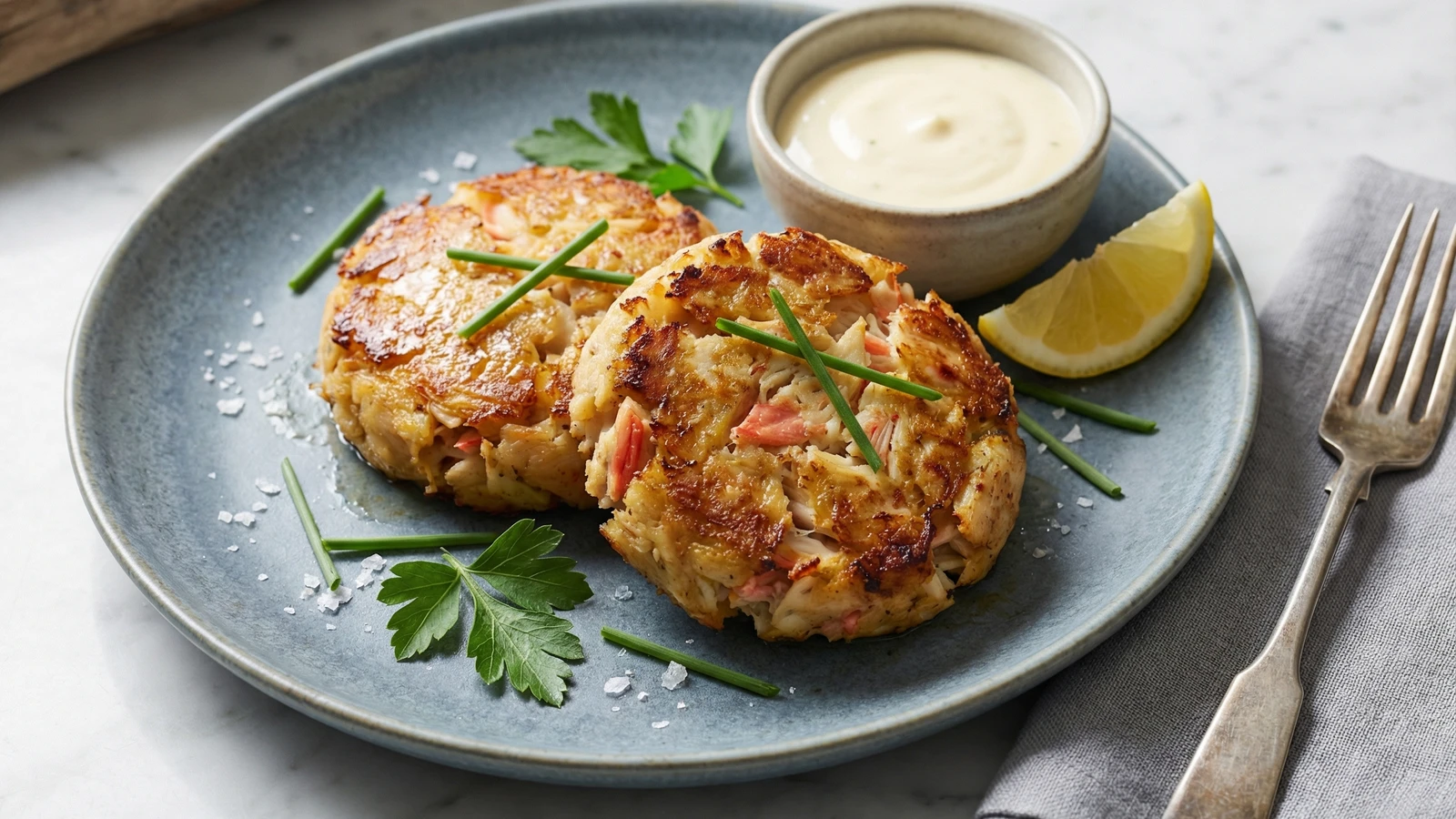
Dungeness Crab Cakes
Created by
Pacific Northwest crab cakes that honor the catch, bound just enough to hold their shape, pan-fried to a golden crust that shatters into sweet, briny crab meat. This is coastal cooking at its most honest.
The Dungeness crab has sustained the people of this coast for thousands of years. Native tribes harvested them from these cold waters long before European settlers arrived, and the crab remains the centerpiece of Pacific Northwest tables today. When you buy Dungeness, you're participating in one of America's oldest food traditions. Treat it accordingly.
The crime most crab cakes commit is drowning the star ingredient in breadcrumbs, mayonnaise, and filler until you can't taste what you paid good money for. This recipe uses the minimum binding necessary to hold the cakes together. The crab does the talking. You just provide the stage.
I learned proper crab cake technique from fishermen's wives along the Oregon coast who would have laughed at the overstuffed hockey pucks served in lesser restaurants. Their method was simple: pick the crab carefully, bind it lightly, fry it quickly. The cake should barely hold together when raw and firm up only in the pan. If your mixture feels sturdy before cooking, you've added too much filler.
The lemon aioli alongside isn't traditional, but it honors the Asian and Scandinavian influences that shaped Pacific Northwest cooking. Those immigrant communities taught us that good seafood needs acid and richness in equal measure. A squeeze of Meyer lemon if you can find it, or any good Pacific citrus, brightens everything without competing.
The technique, the tradition, and the story behind every dish.
Discover Culinary AdvisorIngredients
fresh Dungeness crab meat
Quantity
1 pound
picked over for shells
panko breadcrumbs
Quantity
1/3 cup
mayonnaise
Quantity
1/4 cup
large egg
Quantity
1
beaten
fresh chives
Quantity
2 tablespoons
finely minced
fresh flat-leaf parsley
Quantity
1 tablespoon
minced
Dijon mustard
Quantity
1 teaspoon
Worcestershire sauce
Quantity
1 teaspoon
fresh lemon zest
Quantity
1 teaspoon
kosher salt
Quantity
1/2 teaspoon
white pepper
Quantity
1/4 teaspoon
cayenne pepper
Quantity
pinch
unsalted butter
Quantity
3 tablespoons
neutral oil
Quantity
2 tablespoons
mayonnaise (for aioli)
Quantity
1 cup
fresh lemon juice (for aioli)
Quantity
2 tablespoons
lemon zest (for aioli)
Quantity
1 teaspoon
garlic (for aioli)
Quantity
1 small clove
finely grated
kosher salt (for aioli)
Quantity
1/4 teaspoon
cayenne (for aioli)
Quantity
pinch
| Ingredient | Quantity |
|---|---|
| fresh Dungeness crab meatpicked over for shells | 1 pound |
| panko breadcrumbs | 1/3 cup |
| mayonnaise | 1/4 cup |
| large eggbeaten | 1 |
| fresh chivesfinely minced | 2 tablespoons |
| fresh flat-leaf parsleyminced | 1 tablespoon |
| Dijon mustard | 1 teaspoon |
| Worcestershire sauce | 1 teaspoon |
| fresh lemon zest | 1 teaspoon |
| kosher salt | 1/2 teaspoon |
| white pepper | 1/4 teaspoon |
| cayenne pepper | pinch |
| unsalted butter | 3 tablespoons |
| neutral oil | 2 tablespoons |
| mayonnaise (for aioli) | 1 cup |
| fresh lemon juice (for aioli) | 2 tablespoons |
| lemon zest (for aioli) | 1 teaspoon |
| garlic (for aioli)finely grated | 1 small clove |
| kosher salt (for aioli) | 1/4 teaspoon |
| cayenne (for aioli) | pinch |
Equipment Needed
- •12-inch cast iron or heavy stainless steel skillet
- •Thin fish spatula or offset spatula
- •Wire cooling rack
- •Sheet pans
- •Rubber spatula for folding
Instructions
- 1
Make the lemon aioli
Whisk together one cup mayonnaise, two tablespoons lemon juice, one teaspoon lemon zest, the grated garlic, salt, and cayenne in a small bowl. The mixture should taste bright and slightly sharp. It will mellow as it sits. Cover and refrigerate while you prepare the crab cakes. This allows the garlic to bloom into the mayonnaise without tasting raw.
If you have access to Meyer lemons, use them here. Their floral sweetness complements Dungeness beautifully. - 2
Inspect the crab meat
Spread your crab meat on a sheet pan in a single layer. Run your fingers through it gently, feeling for any bits of shell or cartilage that escaped the initial picking. Even the best fish markets miss fragments. One crunch of shell ruins the experience. Take your time here. Keep the larger lumps of crab as intact as possible while being thorough.
Fresh-picked crab from a whole cooked Dungeness is always superior to pre-packed meat. If your fishmonger sells live crabs, ask them to steam one for you and pick it yourself at home. - 3
Mix the binding ingredients
In a large mixing bowl, combine the panko, mayonnaise, beaten egg, chives, parsley, Dijon mustard, Worcestershire sauce, lemon zest, salt, white pepper, and cayenne. Stir with a fork until everything is evenly distributed. This base should look slightly wet. It will absorb moisture from the crab as it chills.
White pepper keeps the cakes looking clean without dark specks. If you only have black pepper, use it. Flavor matters more than appearance. - 4
Fold in the crab
Add the picked crab meat to the binding mixture. Using a rubber spatula or your hands, fold gently until the crab is just coated. You want to see distinct lumps of crab throughout. If you stir too aggressively, you'll shred the meat into mush and lose the texture that makes these cakes worth eating. The mixture will look barely held together. This is correct.
Resist the urge to add more breadcrumbs if the mixture seems loose. The chill time will firm everything up. - 5
Shape and chill the cakes
Divide the mixture into eight equal portions. Using damp hands to prevent sticking, shape each portion into a cake about three inches across and three-quarters of an inch thick. Press firmly enough to compact the mixture but don't crush it. Arrange the cakes on a parchment-lined sheet pan, cover with plastic wrap, and refrigerate for at least thirty minutes or up to four hours. This chilling time is not optional. It firms the binder and allows the flavors to meld.
For even cakes, weigh your total mixture and divide by eight. Precision here means even cooking later. - 6
Heat the pan
Remove the crab cakes from the refrigerator fifteen minutes before cooking. Heat a twelve-inch skillet, preferably cast iron or heavy stainless steel, over medium heat. Add the butter and oil together. As the butter melts and foams, swirl the pan to combine. The oil raises the smoke point of the butter while the butter provides flavor and promotes browning. When the foam subsides and the fat shimmers, you're ready.
Medium heat, not high. High heat browns the exterior before the center warms through. You want a gradual, golden crust. - 7
Pan-fry the first side
Carefully place four crab cakes in the pan, leaving space between each. Don't crowd them or the temperature will drop and the cakes will steam instead of fry. Cook undisturbed for three to four minutes until the bottom develops a deep golden-brown crust. Check by lifting one edge gently with a thin spatula. The crust should release easily when ready. If it sticks, give it another minute.
Listen for a steady, gentle sizzle. If it sounds aggressive and spitting, reduce your heat slightly. If it's nearly silent, increase the heat. - 8
Flip and finish
Using a thin spatula, flip each crab cake in one confident motion. Hesitation leads to broken cakes. Cook the second side for another three minutes until equally golden. The cakes should feel just firm when pressed gently in the center. Transfer to a wire rack set over a sheet pan to keep the bottoms crisp. Add more butter and oil to the pan if needed, let it come back to temperature, and cook the remaining four cakes.
A wire rack prevents the steam from the hot cake softening the bottom crust. Paper towels trap moisture and make your work soggy. - 9
Serve immediately
Arrange two crab cakes on each warmed plate. Spoon a generous dollop of lemon aioli beside them, not on top. Let your guests decide how much they want. A wedge of lemon for those who want extra brightness. A scattering of fresh chives or parsley if you like color on the plate. These cakes are best eaten within minutes of leaving the pan, while the crust still shatters and the interior stays tender and warm.
Chef Tips
- •Buy from fishmongers who can tell you where and when their crab was caught. Dungeness season runs from December through summer in most Pacific waters, with peak quality in late winter and early spring. Out-of-season crab is often frozen or imported, and you'll taste the difference.
- •If fresh Dungeness isn't available, this recipe works beautifully with fresh-picked blue crab or Jonah crab. Do not use canned crab. The metallic taste and mushy texture will ruin everything.
- •The cakes can be shaped up to a day ahead and kept refrigerated. Fry them directly from the refrigerator, adding an extra minute per side to compensate for the colder starting temperature.
- •A chilled dry Alsatian Riesling or Oregon Pinot Gris provides the mineral backbone these cakes deserve. If you prefer beer, reach for a crisp pilsner or a Pacific Northwest blonde ale.
- •Save your crab shells if you're picking your own. Simmer them with aromatics for a quick shellfish stock that will transform your next seafood chowder or risotto.
Advance Preparation
- •Lemon aioli can be made up to 3 days ahead and refrigerated. The flavor improves as it sits.
- •Crab cakes can be shaped and refrigerated for up to 24 hours before frying. Do not freeze before cooking as the texture suffers.
- •Leftover cooked crab cakes reheat adequately in a 375°F oven for 8 to 10 minutes, though the crust will never be as crisp as fresh from the pan.
Frequently Asked Questions
Nutrition Information
1 serving (about 240g)
Where cooking meets culture.
Culinary mentorship, cultural storytelling, and the editorial depth that makes cooking meaningful.
Explore Culinary Advisor