Culinary Advisor
A cooking platform built around craft, culture, and the stories behind what we eat.
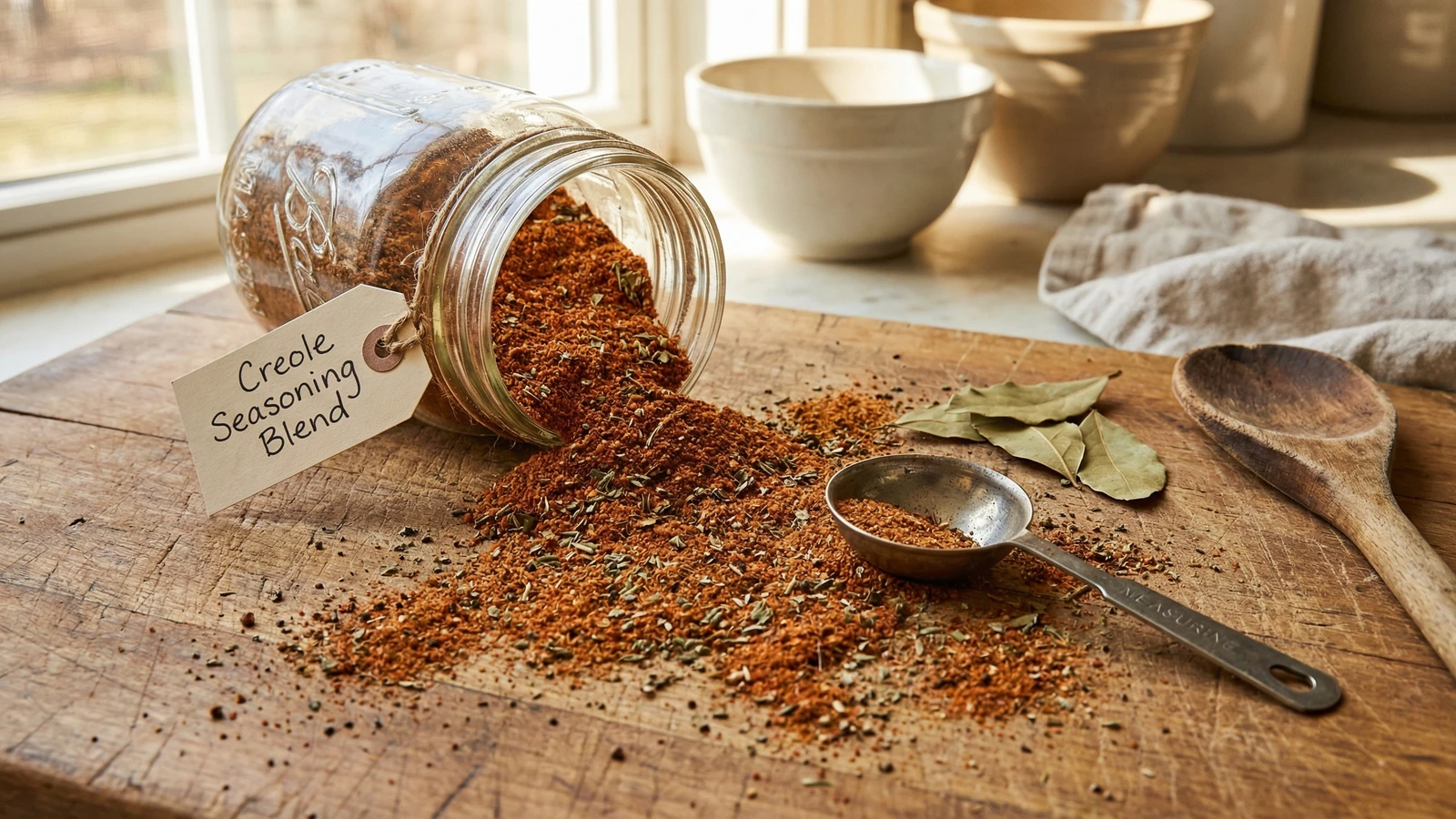
Creole Seasoning Blend
Created by Chef Remy
The aromatic foundation of New Orleans home cooking, where paprika meets dried herbs and three kinds of pepper build warmth without aggression, ready to transform everything from gumbo to grilled fish.
Creole seasoning is city cooking in a jar. This is the blend that built New Orleans, the one that separates a good pot of red beans from a great one. Where Cajun seasoning hits you with bold, aggressive heat, Creole takes a gentler path. More herbs. More complexity. The kind of warmth that sneaks up on you rather than announcing itself at the door.
My grandmother Evangeline kept two blends in her kitchen: one for the country food of her childhood, one for the city dishes she learned after moving to New Orleans as a young bride. This is that second blend. The paprika gives you color and sweetness. The trinity of oregano, thyme, and basil brings Mediterranean depth (a nod to the Italian and Spanish influences that shaped Creole cooking). Three kinds of pepper work together: black for sharpness, white for earthiness, cayenne for heat.
The secret most folks miss is toasting the dried herbs before blending. Takes thirty seconds and wakes up oils that have been sleeping on the shelf. That's the difference between seasoning that sits on top of your food and seasoning that becomes part of it.
Make a big batch. You'll use it on everything: blackened fish, jambalaya, roasted vegetables, scrambled eggs. At Lagniappe, we go through pounds of this weekly. Once you have it in your pantry, you'll wonder how you cooked without it.
The technique, the tradition, and the story behind every dish.
Discover Culinary AdvisorIngredients
paprika
Quantity
3 tablespoons
garlic powder
Quantity
2 tablespoons
onion powder
Quantity
2 tablespoons
dried oregano
Quantity
1 tablespoon
dried thyme
Quantity
1 tablespoon
dried basil
Quantity
1 tablespoon
black pepper
Quantity
1 tablespoon
freshly ground
kosher salt
Quantity
1 tablespoon
cayenne pepper
Quantity
2 teaspoons
white pepper
Quantity
1 teaspoon
| Ingredient | Quantity |
|---|---|
| paprika | 3 tablespoons |
| garlic powder | 2 tablespoons |
| onion powder | 2 tablespoons |
| dried oregano | 1 tablespoon |
| dried thyme | 1 tablespoon |
| dried basil | 1 tablespoon |
| black pepperfreshly ground | 1 tablespoon |
| kosher salt | 1 tablespoon |
| cayenne pepper | 2 teaspoons |
| white pepper | 1 teaspoon |
Equipment Needed
- •Small skillet for toasting
- •Medium mixing bowl
- •Whisk
- •Glass jar with tight-fitting lid (8-12 oz capacity)
Instructions
- 1
Toast the dried herbs
Set a small dry skillet over medium-low heat. Add the oregano, thyme, and basil. Shake the pan gently for about 30 seconds until you catch the first whiff of fragrance rising from the herbs. The moment they become aromatic, pull that pan off the heat. You're waking them up, not burning them. This step is optional but it transforms good seasoning into something special.
Watch those herbs like a hawk. They go from fragrant to scorched in seconds, and burned herbs taste bitter. - 2
Combine all ingredients
Pour the toasted herbs into a medium bowl. Add the paprika, garlic powder, onion powder, black pepper, salt, cayenne, and white pepper. Take a moment to smell what you're building. That's the backbone of New Orleans cooking right there.
- 3
Whisk until uniform
Whisk everything together for a full minute, breaking up any clumps with the back of a spoon if needed. The color should be consistent throughout: a warm, rusty red-brown with visible flecks of green herbs. Taste a tiny pinch on your fingertip. You should get warmth, not fire, with herbal sweetness and savory depth.
- 4
Store properly
Transfer to a clean, dry glass jar with a tight-fitting lid. Label it with the date. Store in a cool, dark place away from the stove. The spices will stay vibrant for about six months before the flavors start to fade. After that, you're just adding color without soul.
I keep a small jar by the stove for everyday use and a larger batch in the pantry. Refill the small one monthly to keep things fresh.
Chef Tips
- •Buy your spices from a store with good turnover. That dusty jar of paprika sitting on a grocery shelf for two years won't do you any favors. If your spices don't smell like anything when you open them, they won't taste like anything either.
- •Adjust the cayenne to your family's preference. Two teaspoons gives moderate warmth. Cut it to one for mild, push it to a tablespoon if you like things lively. That's the bayou way: cook for the people you're feeding.
- •Use this as your base, then build from there. Add more garlic powder for shrimp dishes, more thyme for chicken, a pinch of file powder for gumbo. Once you know the foundation, you can improvise.
- •Hungarian paprika gives the best color and sweetest flavor. Spanish smoked paprika (pimenton) adds a different dimension entirely. Both are valid choices depending on where you want to go.
Advance Preparation
- •This blend keeps its full potency for about 6 months stored in a cool, dark place. After that, you'll need to use more to get the same impact.
- •Make double or triple batches when your spices are fresh. Portion into smaller jars for gifts. Homemade seasoning blend with a handwritten label is the kind of present people remember.
Frequently Asked Questions
Nutrition Information
1 serving (about 2g)
Where cooking meets culture.
Culinary mentorship, cultural storytelling, and the editorial depth that makes cooking meaningful.
Explore Culinary Advisor