Culinary Advisor
A cooking platform built around craft, culture, and the stories behind what we eat.
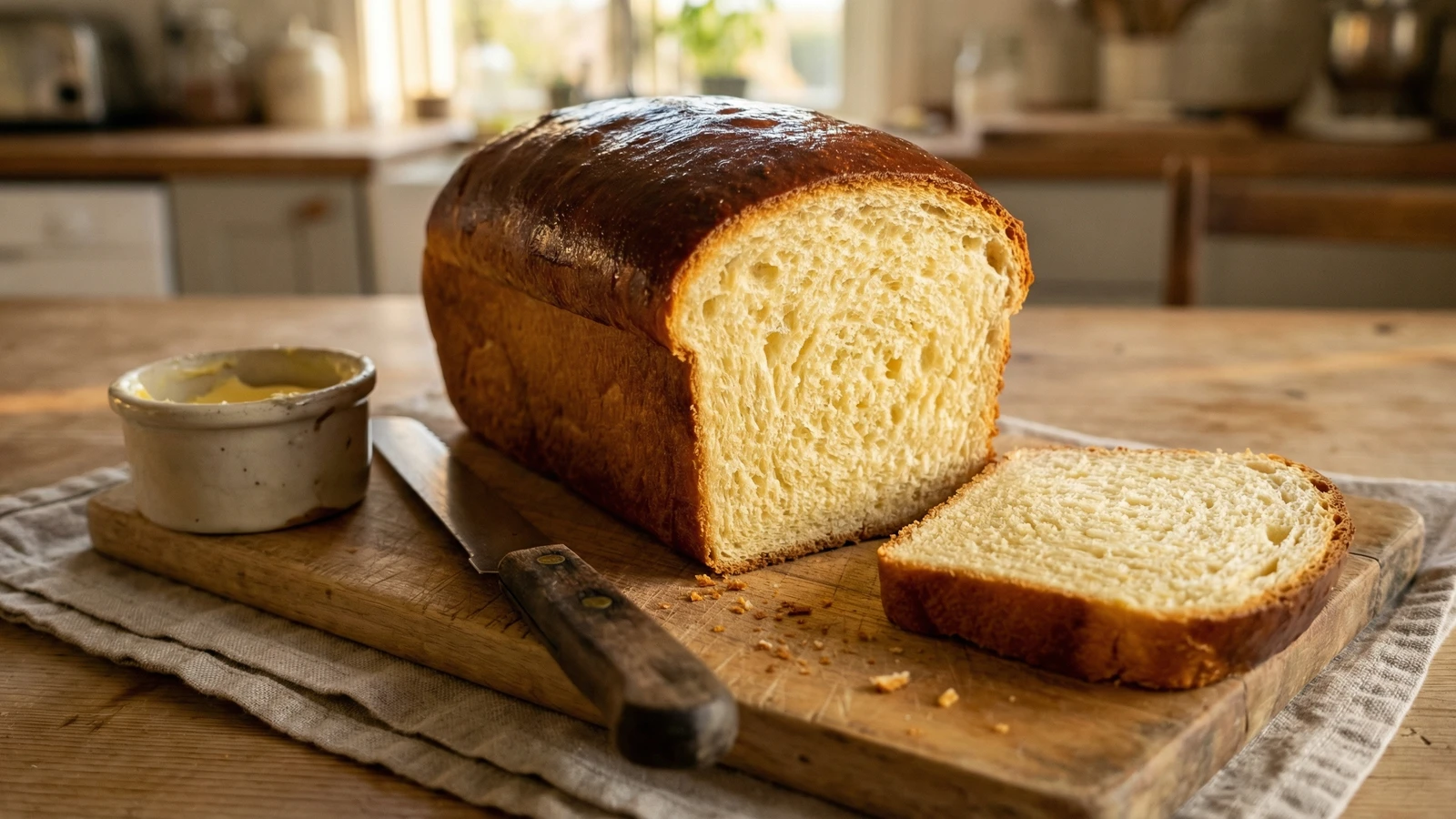
Classic French Brioche Loaf
Created by Chef Ally
A golden loaf of butter-rich French bread with a mahogany crust and a crumb so tender it tears like cotton. This is bread meant for holiday mornings, French toast that matters, and the simple pleasure of something made with your own hands.
Start with the butter. Brioche demands good butter, the kind with a high fat content and a clean, sweet flavor. In France, bakers know their butter by region the way we know our coffee roasters. The eggs matter too. If you can find them from a neighbor with chickens or a farmer at the market, the yolks will be deeper gold and the loaf will taste richer for it.
Brioche is celebration bread. It sits somewhere between bread and pastry, enriched with so much butter and egg that it barely resembles a baguette. The technique asks for patience. You add butter slowly, piece by piece, and the dough transforms from shaggy and stubborn to silky and supple. This is not difficult work. It is simply attentive work.
I learned to make brioche in a small Paris kitchen where the baker arrived before dawn and shaped loaves by feel, never measuring. The bread came out golden and fragrant every time. Your choices shape the food system, he told me once. Every egg, every gram of butter, every bag of flour is a decision. He was right. A brioche made with good ingredients from people you trust tastes different. You can feel the aliveness in it.
This loaf is worth the effort. Make it for a holiday morning, for French toast that will change how you think about breakfast, or simply because you want to fill your kitchen with the smell of butter and warm bread. Let it teach you something about patience and observation. The satisfaction of slicing into something you made with your hands is real.
The technique, the tradition, and the story behind every dish.
Discover Culinary AdvisorIngredients
bread flour
Quantity
3 1/2 cups (440g)
preferably stone-ground
granulated sugar
Quantity
1/4 cup (50g)
instant yeast
Quantity
2 1/4 teaspoons (7g)
fine sea salt
Quantity
1 1/2 teaspoons
large eggs
Quantity
4
at room temperature
whole milk
Quantity
1/4 cup (60ml)
lukewarm
unsalted butter
Quantity
14 tablespoons (200g)
softened and cut into pieces
egg yolk
Quantity
1
beaten with 1 tablespoon milk for wash
| Ingredient | Quantity |
|---|---|
| bread flourpreferably stone-ground | 3 1/2 cups (440g) |
| granulated sugar | 1/4 cup (50g) |
| instant yeast | 2 1/4 teaspoons (7g) |
| fine sea salt | 1 1/2 teaspoons |
| large eggsat room temperature | 4 |
| whole milklukewarm | 1/4 cup (60ml) |
| unsalted buttersoftened and cut into pieces | 14 tablespoons (200g) |
| egg yolkbeaten with 1 tablespoon milk for wash | 1 |
Equipment Needed
- •Stand mixer with dough hook
- •9x5-inch loaf pan
- •Instant-read thermometer
- •Wire cooling rack
- •Pastry brush
Instructions
- 1
Combine dry ingredients
Whisk together the flour, sugar, yeast, and salt in the bowl of a stand mixer. Good flour matters here. If you can find stone-ground bread flour from a mill you trust, you will taste the difference in the finished loaf. The wheat should smell alive, faintly sweet, with no staleness.
- 2
Add eggs and milk
Add the four eggs and the lukewarm milk to the flour mixture. Using the dough hook, mix on low speed until a shaggy dough forms, about two minutes. Increase to medium speed and knead for eight to ten minutes. The dough will look rough at first, then begin to pull away from the sides and wrap around the hook. It should feel tacky but not sticky, smooth when you press a finger to it.
Room temperature eggs are essential. Cold eggs shock the yeast and prevent proper gluten development. - 3
Incorporate butter slowly
With the mixer running on medium-low, add the softened butter one or two pieces at a time. Wait until each addition disappears before adding more. This is the heart of brioche making. The dough will slacken and look greasy, then gradually absorb the fat and become glossy and elastic. This takes ten to fifteen minutes. Do not rush. The butter must be soft enough to incorporate but not melted.
If the dough refuses to come together, refrigerate it for fifteen minutes. The cooled butter will firm slightly and bind with the flour. - 4
Test for windowpane
Continue kneading until the dough passes the windowpane test: pinch off a small piece and stretch it gently between your fingers. When properly developed, it will stretch thin enough to see light through without tearing. The finished dough should be silky, supple, and pull cleanly from the bowl.
- 5
First rise
Shape the dough into a ball and place it in a lightly oiled bowl. Cover tightly with plastic wrap and let rise at room temperature until doubled, about two hours. The dough will feel pillowy and airy, almost alive when you press it gently.
For deeper flavor and easier handling, refrigerate the dough overnight after this first rise. Cold brioche dough shapes beautifully. - 6
Punch down and chill
Press down on the dough to deflate it. Cover again and refrigerate for at least one hour, or overnight. The butter needs to firm for shaping. Warm brioche dough is unruly and sticky. Cold dough is a pleasure to work with.
- 7
Shape the loaf
Butter a 9x5-inch loaf pan. Turn the chilled dough onto a lightly floured surface and divide it into four equal pieces. Roll each piece into a tight ball by cupping your hand over it and moving in a circular motion against the counter. Place the four balls in a row inside the prepared pan. They will rise and merge into one beautiful loaf.
- 8
Second rise
Cover the pan loosely with plastic wrap and let rise in a warm place until the dough crowns about one inch above the rim of the pan, one to two hours. The balls will have joined and the surface will look puffy and delicate. Preheat your oven to 375F during the last thirty minutes of rising.
- 9
Apply egg wash
Gently brush the top of the risen loaf with the egg wash, taking care not to let it drip down the sides where it might glue the bread to the pan. Use a light hand. Two thin coats produce a better shine than one heavy coat.
- 10
Bake until golden
Bake for thirty to thirty-five minutes until the top is deeply golden and an instant-read thermometer inserted into the center reads 190F. If the top browns too quickly, tent loosely with foil for the final ten minutes. The kitchen will smell of butter and warm bread, and you will understand why the French consider brioche essential.
- 11
Cool before slicing
Let the brioche cool in the pan for ten minutes, then turn it out onto a wire rack. Wait at least thirty minutes before slicing, if you can manage it. The crumb needs time to set. Tear into it while still warm for the most tender experience, or let it cool completely for clean slices.
Chef Tips
- •Source the best flour you can find. Stone-ground bread flour from a local mill has more character than commodity flour, and brioche will show the difference.
- •Butter temperature is everything. Too cold and it will not incorporate. Too warm and it will make the dough greasy. Press your finger into it. It should yield easily but hold its shape.
- •The overnight refrigeration is not optional. Cold dough is easier to shape, and the slow fermentation develops flavor you cannot rush.
- •Brioche stales quickly because of all that butter. Store it wrapped at room temperature for two days, or slice and freeze for up to three months.
- •This bread makes the finest French toast you will ever taste. Slice it thick, soak it well, and cook it slowly in more good butter.
Advance Preparation
- •The dough can be refrigerated after the first rise for up to 24 hours. Shape it cold and let it rise in the pan before baking.
- •Baked brioche freezes beautifully for up to three months. Wrap tightly in plastic and then foil. Thaw at room temperature and warm briefly in a 300F oven.
- •For individual brioches à tête, divide the chilled dough into twelve pieces and shape into the traditional topknot form using fluted brioche molds.
Frequently Asked Questions
Nutrition Information
1 serving (about 71g)
Where cooking meets culture.
Culinary mentorship, cultural storytelling, and the editorial depth that makes cooking meaningful.
Explore Culinary Advisor