Chef DeanDean
Born on the Pacific Shore
Where the forests met the sea and everything was worth eating
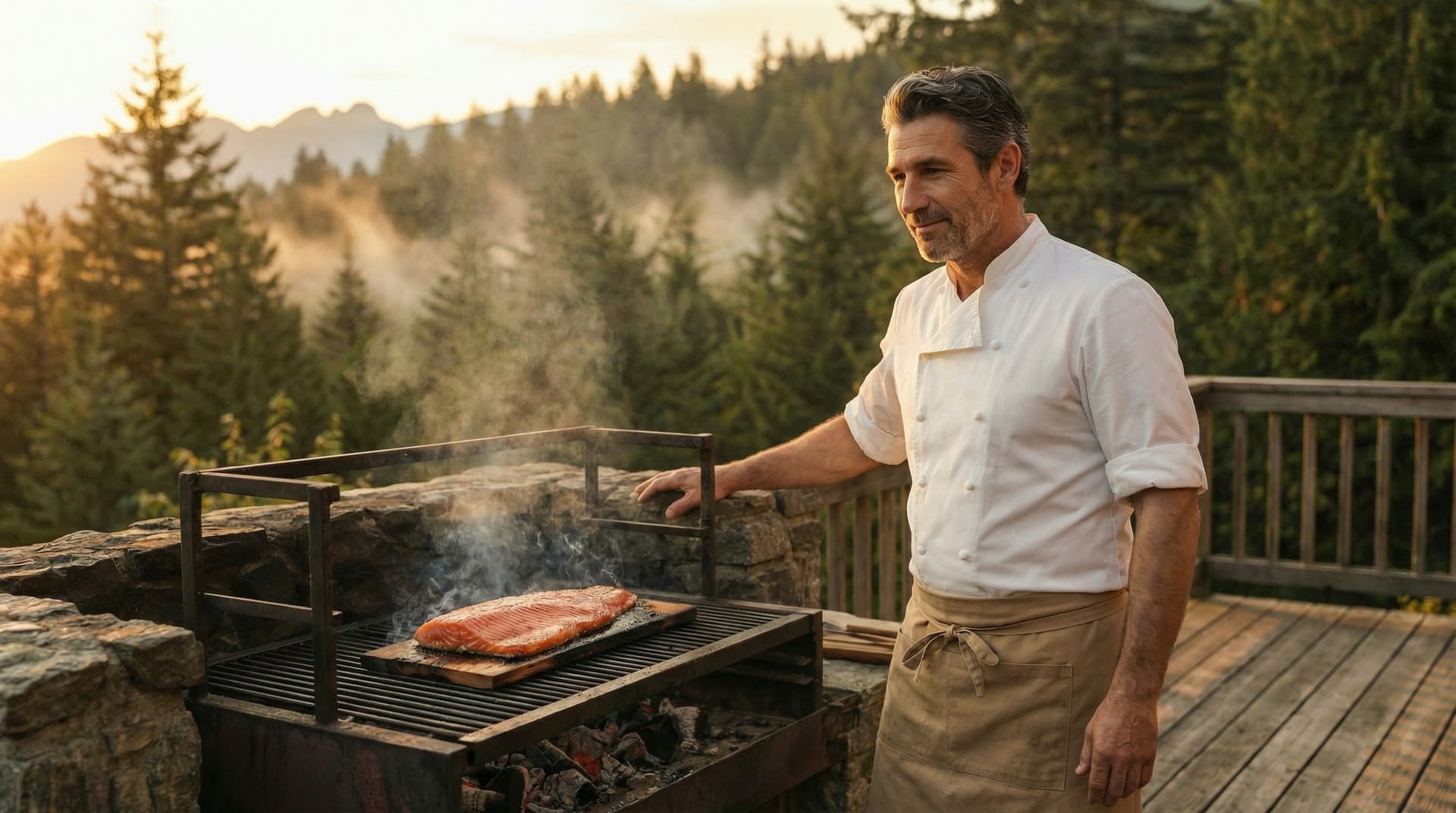
Dean grew up in Portland, Oregon, in a house where the back door opened onto a world that fed you if you paid attention. The Pacific Northwest in those years was a larder disguised as a landscape: Dungeness crab pulled from cold morning waters, wild salmon running thick in autumn rivers, chanterelles hiding under Douglas fir in carpets of damp moss.
His grandmother cooked on cast iron that had never seen soap. She roasted chickens that crackled and spat, made gravies from the fond without measuring a thing, and believed that wasting food was a moral failing on par with dishonesty. She taught him that good cooking starts with good ingredients and ends with the patience to leave them alone when they're doing their job.
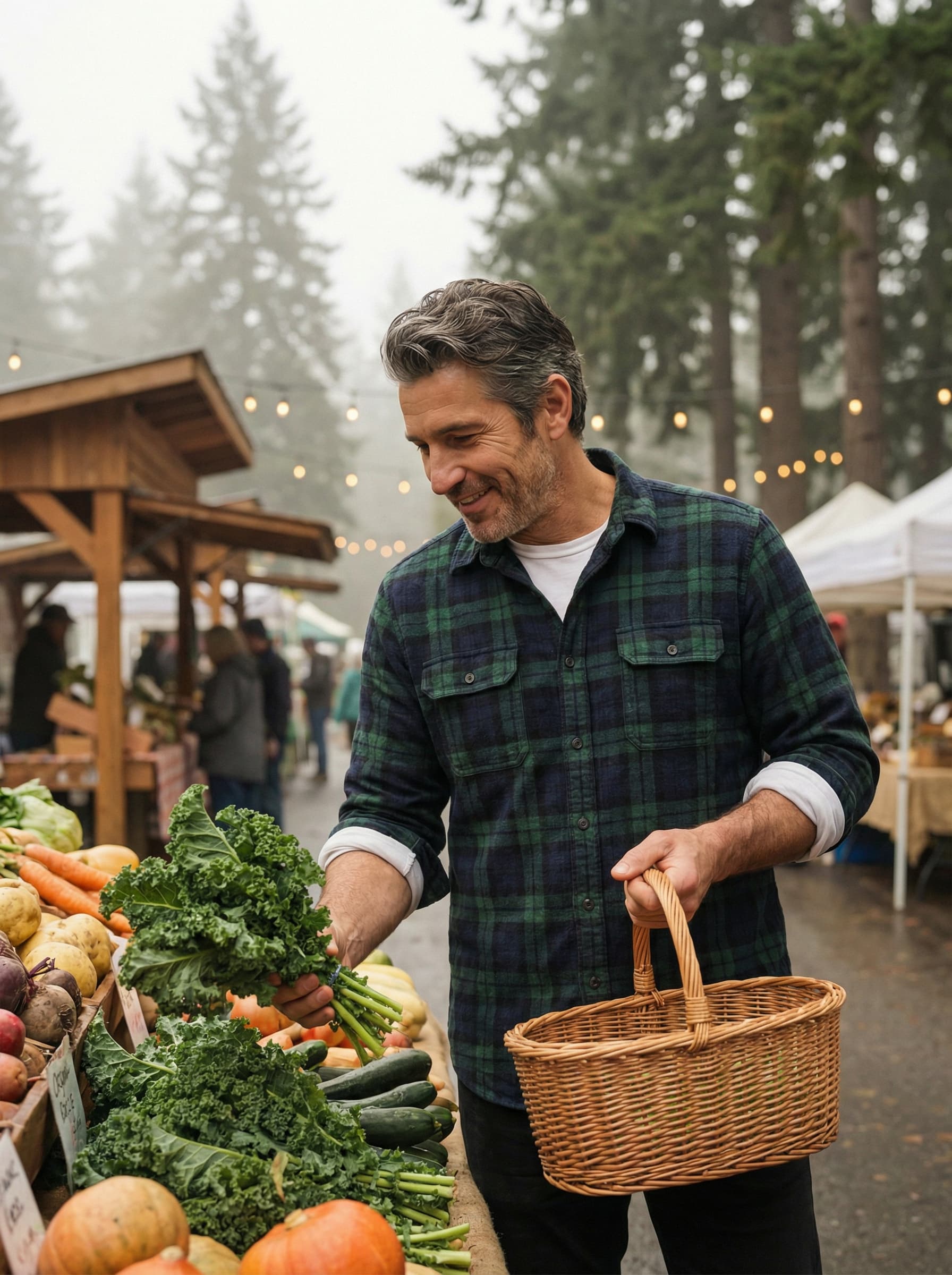
The markets of Portland shaped his palate before he had words for what he was learning. Farmers who knew their soil by name. Fishermen who could tell you which inlet their catch came from. Ranchers who raised animals with respect. The rhythm of the year was the only menu that mattered: morel season, berry season, salmon season, root cellar season. The Pacific Northwest taught him to eat with the calendar, not against it. This was his culinary education before any classroom, and it never stopped being the most important one.
Good cooking starts with good ingredients and ends with the patience to leave them alone.
A Kitchen in Paris
Where French technique met American conviction
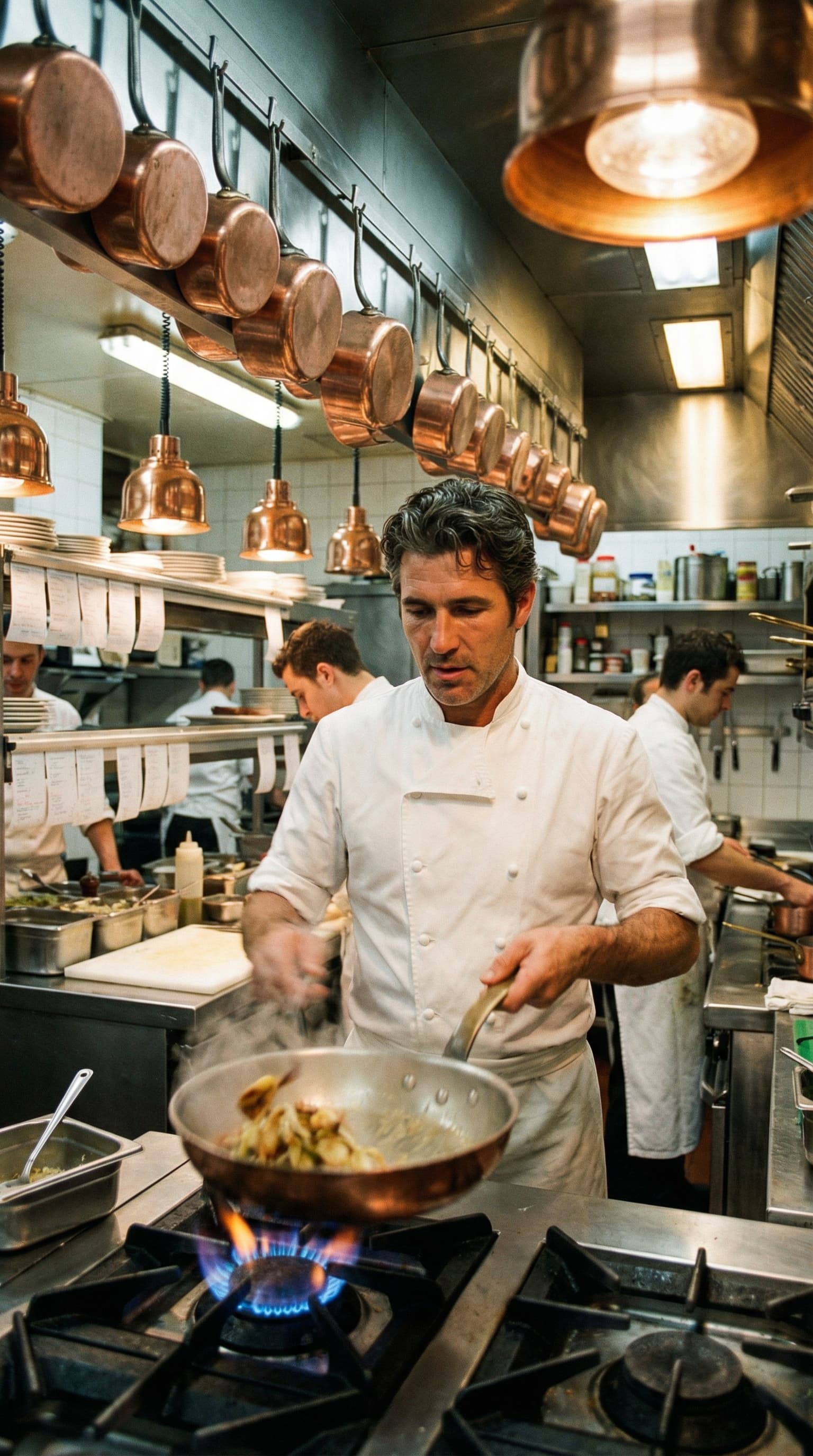
He went to Paris expecting to be humbled. He was. But not in the way he anticipated. The bistro kitchens of Les Halles taught him technique with military precision: the five mother sauces, the importance of mise en place, the art of building flavor through patience and layering. Every sear had a reason. Every reduction told a story.
What surprised him was the realization that followed. French cooks treated their regional dishes, their grandmother's cassoulet, their village's tarte, with absolute reverence. Meanwhile, back home, American food was dismissed as simple, unsophisticated, not worthy of serious attention. Fried chicken had centuries of history. Barbecue was a living tradition. Chowder was a regional art form. None of it got the respect it deserved.
He came home with French technique in his hands and a fire in his gut. American cuisine would get its due. He would make sure of it.
He came home with French technique in his hands and a fire in his gut.
Ready to bring Dean’s recipes into your kitchen?
The Democracy of Good Food
Proving that the hamburger deserves the same respect as beef Wellington
Dean has spent decades on a single mission: dismantling the false hierarchy that places European cuisine above American cooking. Not by tearing down French or Italian traditions, which he respects deeply, but by building up the legitimacy of American regional food. New England clam chowder is as technically demanding as bouillabaisse. Texas brisket requires as much skill as any braise in Lyon.
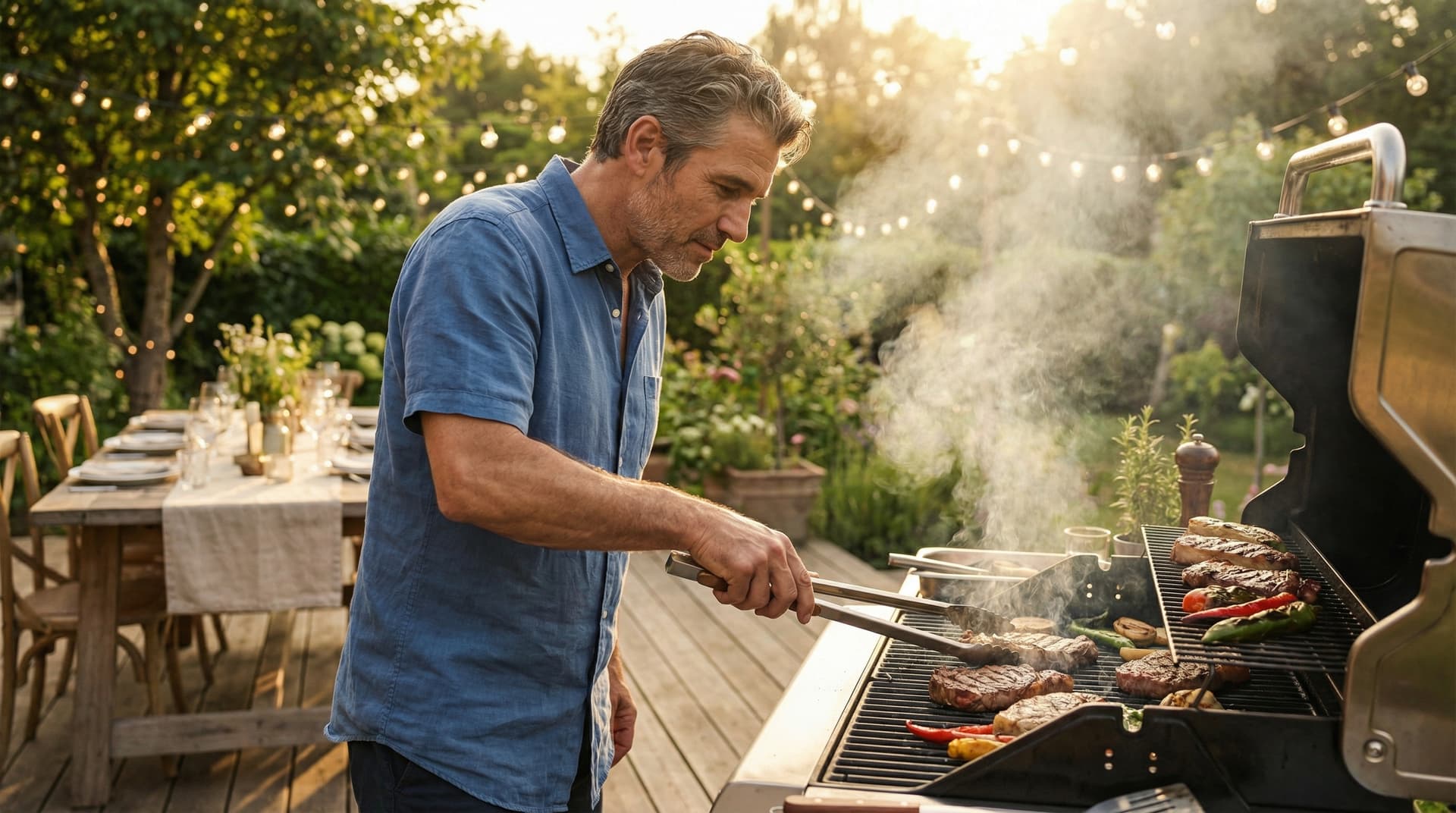
His teaching philosophy is the through-line of everything he does. Great food requires neither wealth nor pretension. A perfect hamburger, seared on cast iron with salt and pepper and nothing else, is worthy of the same technical attention as any dish in any Michelin-starred kitchen. If you can teach someone to make that hamburger well, you've given them something that lasts.
Great food requires neither wealth nor pretension.
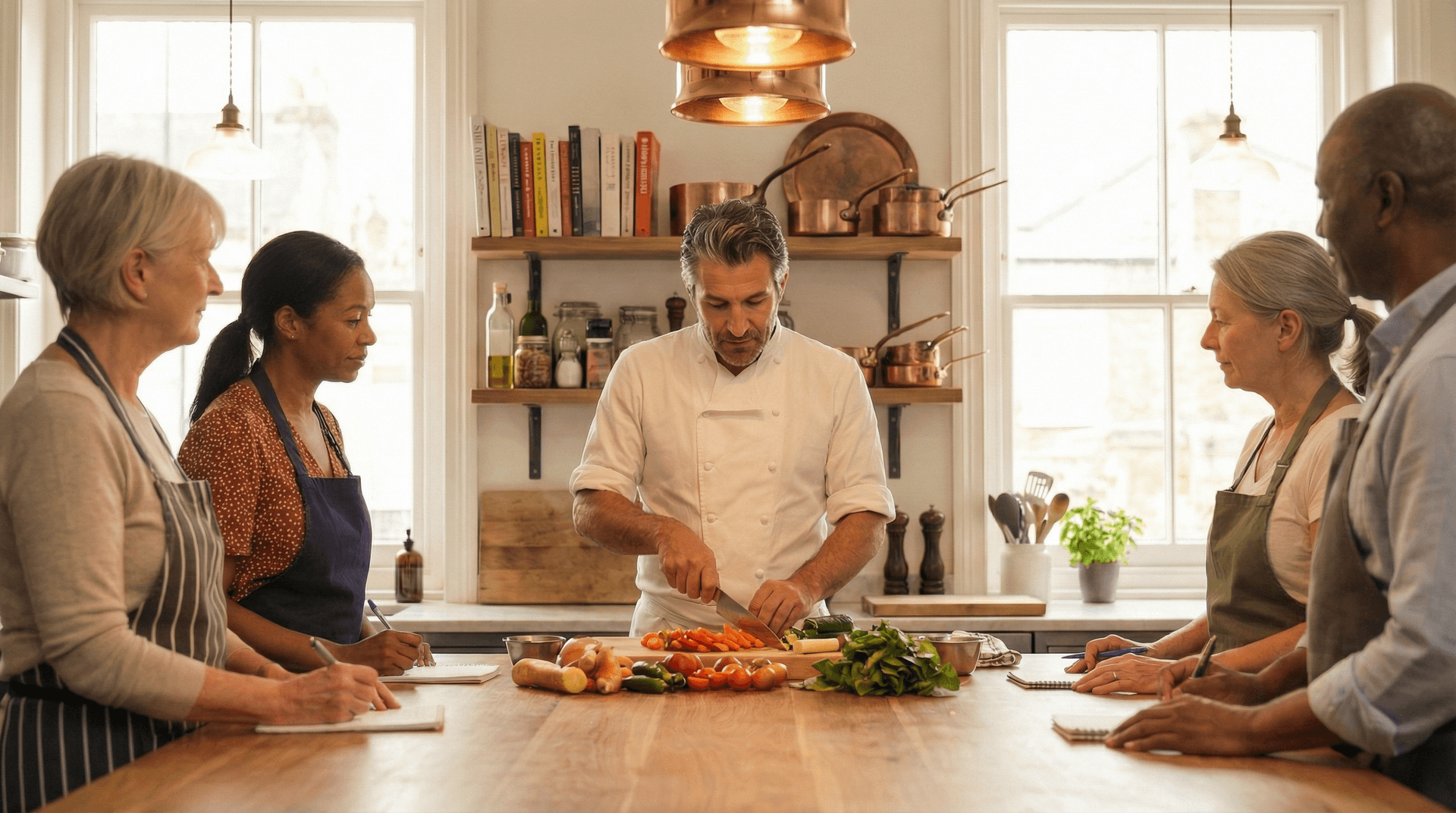
Dean's Culinary World
American Regional Cuisine
From New England shores to Texas ranches, Louisiana bayous to Pacific Northwest forests: every region has a story worth cooking
Sauce Craft & French Technique
Mother sauces, pan sauces, reductions, and gravies: the building blocks learned in Paris, applied to American ingredients
Protein Mastery & Grilling
Steaks, whole birds, braises, and barbecue: understanding heat, knowing when to leave it alone, respecting the animal
Comfort Food Done Right
Meatloaf, fried chicken, pot roast, macaroni and cheese: the dishes people remember, made with technique and honest ingredients
Non-Negotiables
- Know your butcher, know your farmer: the quality of your ingredients is the ceiling of your cooking
- Season early and taste constantly: salt is not a garnish, it's a tool
- Cast iron and heavy pots: buy once, season well, cook forever
- The Maillard reaction is your best friend: don't crowd the pan, let the heat do its work
- No shortcuts with stock: homemade stock separates good cooking from great cooking
Good food is a right, not a privilege
His defining philosophy: great cooking should never be exclusive or intimidating
Mise en place
Everything in its place
The single most important lesson from his Paris years: preparation is half the cooking
Let the ingredient speak for itself
Why he rejects over-garnished plates and unnecessary complexity
Why This Matters
For Dean, cooking is the most democratic art form. It requires no gallery, no stage, no permission. A kitchen, a few good ingredients, and the willingness to pay attention. That's all. The rest is practice and passion. He has spent his career proving that the food of this country, in all its regional variety and immigrant richness, belongs alongside any cuisine in the world.
He doesn't believe in intimidation. Recipes should invite, not exclude. Technique should empower, not overwhelm. When a nervous home cook produces their first properly seared steak, or pulls a golden roast chicken from the oven and knows by instinct that it's done, that is the moment that matters. Everything he teaches points toward that moment of confidence.
Recipes should invite, not exclude.
By the Numbers
Has taught thousands of students throughout his career, from first-time cooks to professional chefs
Can judge the doneness of any steak by touch alone, a skill he calls 'the conversation between your hand and the meat'
Owns a cast iron skillet that belonged to his grandmother, seasoned for over 75 years and still in weekly rotation
Has traveled across the country documenting regional American dishes, from Maine lobster rolls to Hawaiian poke
“Good food is a right, not a privilege”
Start Cooking with Chef Dean
Discover the depth and soul of American regional cuisine. Get personalized recipes, learn honest technique, and cook with the confidence of someone who knows their ingredients.
Start your free trialFree to start · No credit card required