Culinary Advisor
A cooking platform built around craft, culture, and the stories behind what we eat.
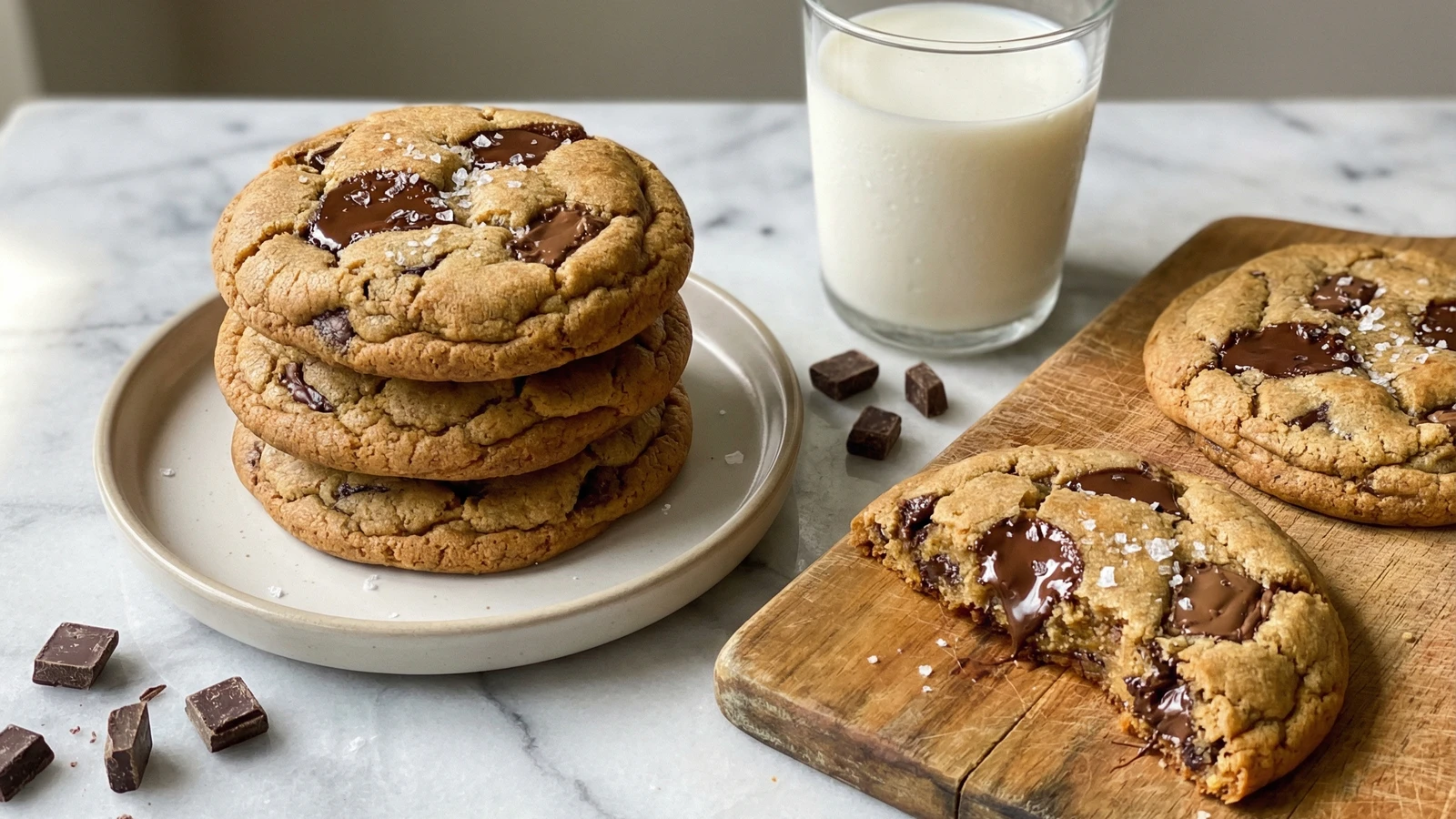
Brown Butter Chocolate Chip Cookies
Created by
Deeply flavored cookies with toffee-scented brown butter, puddles of melted chocolate, and crisp edges giving way to chewy centers. This is the chocolate chip cookie grown up.
Ruth Wakefield changed American baking forever in 1938 when she chopped a Nestlé chocolate bar into her butter cookie dough at the Toll House Inn. Whether she expected the chocolate to melt throughout or simply ran out of nuts, history doesn't quite agree. What matters is the result: a cookie that became synonymous with American comfort.
This version builds on her legacy with one transformative step. Browning the butter before mixing the dough creates flavor compounds you simply cannot achieve any other way. The milk solids caramelize, turning golden and fragrant with notes of toffee and roasted hazelnuts. It takes five extra minutes. It changes everything.
I've made thousands of chocolate chip cookies in my teaching career. Students arrive with strong opinions about thickness, chewiness, the chocolate-to-dough ratio. This recipe satisfies them all. The browned butter provides depth. Chilling the dough ensures thick, substantial cookies rather than thin crispy wafers. A generous hand with flaky salt on top creates that sweet-savory contrast your palate craves but can't quite name.
The dough freezes beautifully. Bake what you need, save the rest. Fresh cookies whenever you want them, with all the complexity of something a French pastry chef might serve alongside espresso.
The technique, the tradition, and the story behind every dish.
Discover Culinary AdvisorIngredients
unsalted butter
Quantity
1 cup (2 sticks/226g)
all-purpose flour
Quantity
2 1/4 cups (280g)
baking soda
Quantity
1 teaspoon
fine sea salt
Quantity
1 teaspoon
dark brown sugar
Quantity
1 cup (200g)
packed
granulated sugar
Quantity
1/2 cup (100g)
large eggs
Quantity
2
room temperature
pure vanilla extract
Quantity
2 teaspoons
semisweet chocolate chips
Quantity
2 cups (340g)
bittersweet chocolate
Quantity
4 ounces (113g)
roughly chopped
flaky sea salt (optional)
Quantity
for finishing
| Ingredient | Quantity |
|---|---|
| unsalted butter | 1 cup (2 sticks/226g) |
| all-purpose flour | 2 1/4 cups (280g) |
| baking soda | 1 teaspoon |
| fine sea salt | 1 teaspoon |
| dark brown sugarpacked | 1 cup (200g) |
| granulated sugar | 1/2 cup (100g) |
| large eggsroom temperature | 2 |
| pure vanilla extract | 2 teaspoons |
| semisweet chocolate chips | 2 cups (340g) |
| bittersweet chocolateroughly chopped | 4 ounces (113g) |
| flaky sea salt (optional) | for finishing |
Equipment Needed
- •Light-colored saucepan for browning butter
- •Electric hand mixer or stand mixer
- •2-tablespoon cookie scoop
- •Rimmed baking sheets
- •Wire cooling rack
Instructions
- 1
Brown the butter
Cut butter into tablespoon-sized pieces and place in a light-colored saucepan over medium heat. The light pan matters: you need to see the color change. Swirl occasionally as the butter melts and begins to foam. Listen for the sizzle to quiet down. That's the water evaporating. After 4 to 6 minutes, the foam will subside and golden-brown specks will appear at the bottom. The kitchen will smell like toasting hazelnuts. Remove from heat immediately when it reaches a deep amber color. Pour into a heatproof bowl, scraping every precious brown bit from the pan. Let cool for 15 minutes.
Brown butter goes from perfect to burned in seconds. Stay present. Watch the color, not the clock. - 2
Prepare dry ingredients
While the butter cools, whisk together the flour, baking soda, and fine sea salt in a medium bowl. Set aside. This takes thirty seconds and prevents lumps of baking soda from creating bitter pockets in your finished cookies.
- 3
Cream butter and sugars
Add both sugars to the bowl of cooled brown butter. The butter should be warm but not hot, roughly body temperature. Beat with an electric mixer on medium speed for 2 minutes. The mixture will look grainy and somewhat paste-like. This is correct. You're dissolving sugar and incorporating air, not creaming soft butter in the traditional sense.
If your butter is too hot, it will melt the sugar into a greasy slick rather than incorporating it properly. Patience here pays off. - 4
Add eggs and vanilla
Add the eggs one at a time, beating well after each addition. The mixture will look curdled and strange after the first egg. Keep mixing. After the second egg and 30 seconds of beating, it will come together into something glossy and cohesive. Add the vanilla extract and beat briefly to combine.
- 5
Incorporate dry ingredients
Add the flour mixture all at once. Mix on low speed just until the last streaks of flour disappear. Stop the mixer. Overworking develops gluten, which makes cookies tough rather than tender. A few small flour spots are better than an overworked dough.
- 6
Fold in chocolate
Add the chocolate chips and chopped chocolate chunks. Fold by hand with a sturdy spatula or wooden spoon, distributing the chocolate throughout. The combination of uniform chips and irregular chunks creates texture variation in every bite: some bites with pools of melted chocolate, others with substantial shards that stay intact.
- 7
Chill the dough
Cover the bowl tightly with plastic wrap pressed directly against the dough surface. Refrigerate for at least 2 hours, preferably overnight. This rest is not optional. Chilling solidifies the fat for a thicker cookie, hydrates the flour for better texture, and allows the flavors to meld. The dough will keep refrigerated for up to 3 days, improving in flavor each day.
Overnight rest produces noticeably better cookies. Plan ahead when you can. - 8
Portion and bake
Preheat oven to 375°F with a rack in the center position. Line baking sheets with parchment paper. Scoop rounded 2-tablespoon portions of dough, rolling briefly between your palms to form rough balls. Arrange on prepared sheets with 3 inches between each cookie. They spread. Press a few extra chocolate chunks onto the tops for visual appeal. Sprinkle each with a small pinch of flaky salt.
- 9
Monitor for doneness
Bake for 10 to 12 minutes, rotating the pan halfway through. The cookies are done when the edges are set and golden but the centers still look slightly underdone and puffy. They will continue cooking on the hot pan. Remove from oven when you think they need one more minute. This is the moment that separates good cookies from transcendent ones.
Every oven lies. Use the visual cues: golden edges, pale puffy centers, crackled tops. - 10
Cool and serve
Let cookies rest on the baking sheet for 5 minutes. The centers will sink slightly and the structure will set. Transfer to a wire rack. Serve warm or at room temperature. The flavor develops as they cool, but warm cookies with still-molten chocolate are a particular pleasure I encourage you to experience at least once per batch.
Chef Tips
- •Use a mix of chocolate: chips hold their shape while chopped chocolate creates those appealing pools and shards. Aim for at least 60% cacao in your chopped chocolate for depth without excessive sweetness.
- •Weight measurements matter in baking. If you own a kitchen scale, use the gram measurements. A cup of flour can vary by 30% depending on how you scoop it.
- •The dough freezes beautifully for up to 3 months. Portion into balls, freeze on a sheet until solid, then transfer to a freezer bag. Bake directly from frozen, adding 2 to 3 minutes to the bake time.
- •For bakery-style thick cookies, chill portioned dough balls for 30 minutes before baking, even if the bulk dough has already been chilled. Cold fat means less spread.
- •Maldon or Jacobsen flaky salt on top is worth seeking out. The large crystals create pockets of salinity that make the sweetness sing.
Advance Preparation
- •Dough can be refrigerated for up to 3 days. Flavor improves with time.
- •Portioned dough balls freeze for up to 3 months. Bake from frozen, adding 2 to 3 minutes.
- •Baked cookies keep in an airtight container at room temperature for 5 days, though they rarely last that long.
- •Brown butter can be made up to 1 week ahead and refrigerated. Bring to room temperature before using.
Frequently Asked Questions
Nutrition Information
1 serving (about 36g)
Where cooking meets culture.
Culinary mentorship, cultural storytelling, and the editorial depth that makes cooking meaningful.
Explore Culinary Advisor